Beyond the Winter Blues: Recognizing the Distinct Symptoms of Winter Depression in Houston

Recognize the unique symptoms of Winter Depression in Houston and learn how evidence-based treatments like light therapy and CBT can help you stay resilient through the colder months.

December 8, 2025

Beyond the Winter Blues: Recognizing the Distinct Symptoms of Winter Depression in Houston, Texas

As the vibrant life of Houston, Texas, transitions from the heat of summer to the shorter, cooler days of winter, many individuals notice a corresponding shift in their mood, energy, and overall outlook. While it's common to feel a mild dip—often called the "winter blues"—for a significant portion of the population, these symptoms escalate into a serious, cyclical mental health condition known as Winter Depression, clinically classified as Seasonal Affective Disorder (SAD).

Understanding the unique characteristics of Winter Depression symptoms is the critical first step toward effective diagnosis and treatment. Unlike non-seasonal Major Depressive Disorder, Winter Depression has specific, often atypical, manifestations that are directly tied to the biological impact of reduced daylight.

At Riaz Counseling in Houston, we are committed to providing clarity and professional support for those navigating the seasonal shift. This comprehensive, medically accurate guide will define the distinct symptoms of Winter Depression, explore its biological roots, and offer actionable, evidence-based solutions to help you maintain mental wellness and resilience throughout the winter months.

What is Winter Depression (Seasonal Affective Disorder)?

Winter Depression is a recurrent type of Major Depressive Disorder that follows a predictable seasonal pattern. Symptoms typically start in the late fall or early winter and remit entirely by spring or summer.

The Biological Engine: Why Daylight Matters

Even in a city with ample sunshine like Houston, Texas, the diminished intensity and shorter duration of daylight hours are sufficient to disrupt the body’s internal chemistry and clock, which drives Winter Depression symptoms.
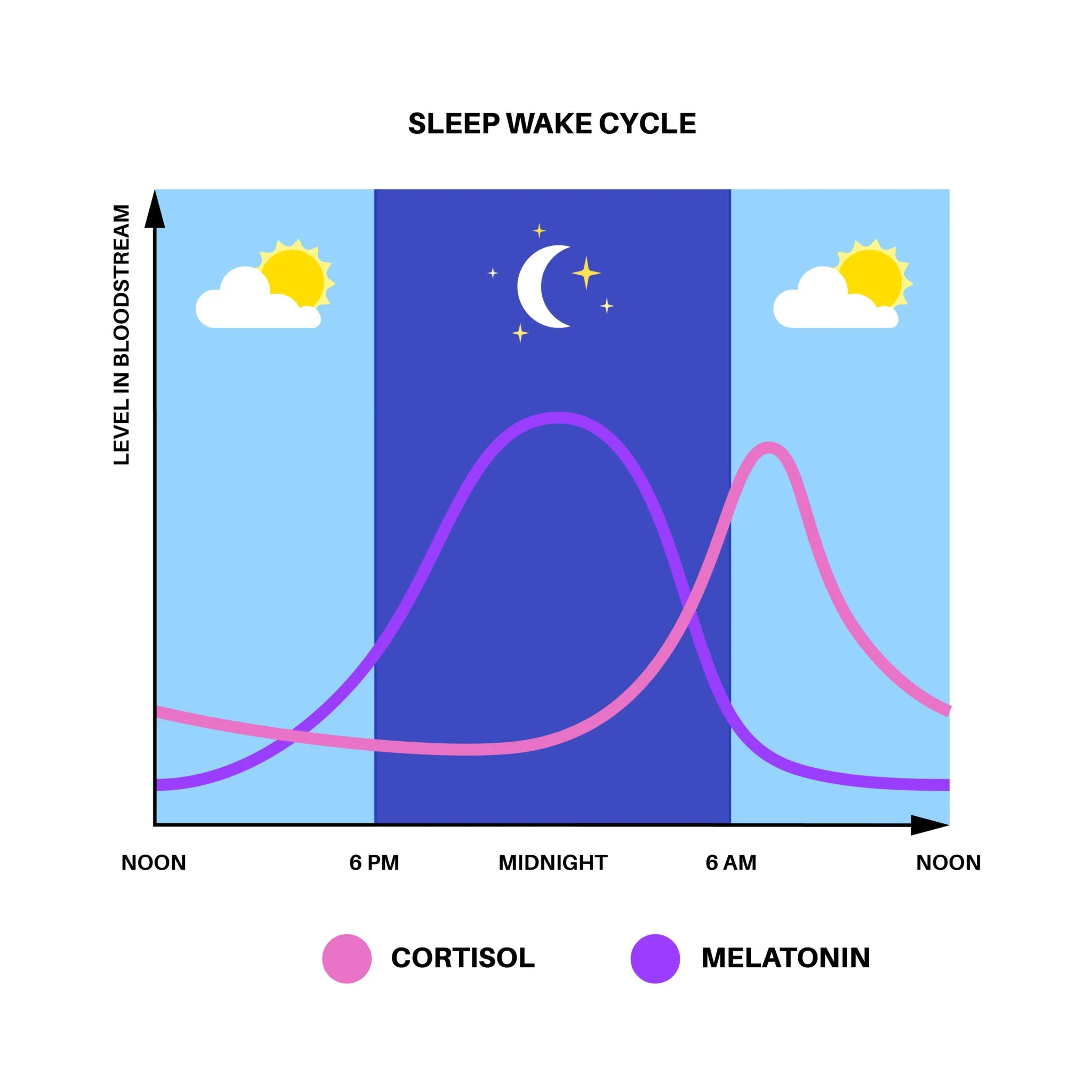
  • Circadian Rhythm Disruption: Reduced sunlight reaching the retina interferes with the body's natural circadian rhythm (the 24-hour internal clock). This throws off the timing of sleep, energy, and hormone release.
  • Melatonin Overproduction: Darkness triggers the release of melatonin, the hormone that regulates sleep. For individuals with SAD, the prolonged darkness of winter can lead to an overproduction of melatonin during the day, resulting in the signature lethargy and hypersomnia.
  • Serotonin Activity Decline: Sunlight is vital for regulating the neurotransmitter serotonin, which governs mood, appetite, and emotional well-being. Reduced sunlight is directly linked to a drop in serotonin activity, contributing to the depressive mood.
Image of a diagram illustrating the relationship between natural sunlight, melatonin, and serotonin levels in the brain, and how reduced light exposure disrupts this balance

Recognizing the Distinct Symptoms of Winter Depression

The key to early detection and treatment lies in identifying the atypical symptoms that differentiate Winter Depression from non-seasonal depression. These signs usually appear gradually in the fall and grow in severity through the winter.

1. Atypical Changes in Sleep Patterns

While non-seasonal depression often involves insomnia, Winter Depression is often marked by its opposite:

  • Hypersomnia (Oversleeping): A persistent need for significantly more sleep than usual (often 10 to 12 hours), yet still waking up feeling unrefreshed, heavy, and groggy.
  • Difficulty Waking: An extreme struggle to get out of bed in the morning, often involving hitting the snooze button repeatedly or feeling physical resistance to starting the day.
  • Daytime Lethargy and Fatigue: A constant, heavy feeling of low energy and sluggishness that persists throughout the day, significantly impacting productivity at work or school in Houston.

2. Shifts in Appetite and Weight

These are highly characteristic features that serve as critical early warning signs:

  • Intense Carbohydrate Cravings: A sudden, noticeable, and often overwhelming desire for sugary, starchy, and high-carbohydrate comfort foods. This is the body's biological attempt to temporarily boost serotonin levels.
  • Weight Gain: Due to increased caloric intake from cravings, combined with the decreased physical activity associated with lethargy and cold weather, weight gain is a common and distressing symptom.

3. Emotional and Behavioral Indicators

These symptoms reflect the growing influence of the depressive state and the biological urge to withdraw.

  • Persistent Low Mood: Feeling sad, down, or "gloomy" almost every day, without an obvious trigger. This is more pervasive than the occasional "winter blues."
  • Social Withdrawal: A strong, pervasive desire to "hibernate," avoid social interactions, cancel plans, and retreat from friends and hobbies that were previously enjoyed. This can lead to loneliness and relationship strain.
  • Loss of Interest (Anhedonia): A significant reduction in the ability to experience pleasure from activities, including personal passions, social gatherings, or work tasks.
  • Feelings of Hopelessness: A sense of futility or a belief that things won't get better until the season changes, which can be paralyzing.

If you or a loved one in Houston, Texas, notice these symptoms starting predictably in the fall and disappearing in the spring, it is imperative to seek professional evaluation to confirm the diagnosis of SAD.

The Compounding Effects of Untreated SAD

Ignoring the early signs of Seasonal Affective Disorder can lead to severe consequences that impact personal health, professional life, and relationships.

  • Worsening Depression: Untreated SAD does not resolve until the seasonal trigger passes, meaning symptoms intensify through the darkest months (January and February), leading to heightened risk for severe depressive episodes.
  • Academic and Career Impairment: Lethargy, poor concentration, and low motivation significantly impair performance, potentially leading to missed opportunities or academic failure.
  • Relationship Strain: The consistent social withdrawal, irritability, and low mood can isolate the individual from their support network, further fueling the depression.
  • Maladaptive Coping: Relying on excessive sugar, caffeine, or alcohol to combat lethargy or low mood can lead to secondary health problems and substance dependence.

Solutions and Management: Overcoming Winter Depression

Effective treatment for Winter Depression symptoms integrates environmental, psychological, and lifestyle interventions. The goal is to proactively implement solutions before the depressive symptoms fully take hold.

1. The Power of Light Therapy (Phototherapy)

Light therapy is the gold standard, first-line treatment for winter-pattern SAD.

  • Mechanism: Using a specialized light box (10,000 lux) to mimic natural sunlight helps reset the circadian rhythm, suppress excess melatonin, and regulate serotonin activity.
  • Implementation: Sit approximately 16 to 24 inches from the light box for 20 to 30 minutes every morning, immediately upon waking. Riaz Counseling can provide guidance on safe and effective usage.

2. Cognitive Behavioral Therapy (CBT-SAD)

CBT is highly effective for SAD by targeting both the cognitive distortions and the behavioral changes associated with the disorder.

  • Behavioral Activation: This technique directly combats the SAD-induced urge to withdraw. The therapist helps you schedule and commit to pleasurable and rewarding activities, even when motivation is low, which boosts mood and energy.
  • Cognitive Restructuring: Challenging the negative thoughts and feelings of hopelessness associated with the season (e.g., "I'm going to be miserable for months") and replacing them with balanced, realistic coping statements ("I have a plan, and I am taking active steps to feel better").

3. Lifestyle and Routine Management

These are the daily habits that build resilience against the seasonal shift.

  • Prioritize Consistent Sleep: Maintain a strict sleep schedule, including on weekends, and avoid oversleeping, which can paradoxically worsen daytime fatigue.
  • Scheduled Physical Activity: Commit to regular exercise, which is a potent natural mood booster. Even a brisk 30-minute walk outdoors in the morning light is incredibly therapeutic.
  • Mindful Nutrition: Focus on balanced meals rich in protein, complex carbohydrates, and Omega-3 fatty acids, which aid in mood regulation, rather than relying on the temporary sugar rush from carbohydrate cravings.

How Riaz Counseling Supports You Through Winter Depression in Houston

Attempting to self-diagnose and manage a clinical condition like SAD is often an unsuccessful, frustrating process. Professional guidance is essential for confirming the diagnosis, ruling out other forms of depression, and creating a tailored treatment plan.

Riaz Counseling in Houston, Texas, specializes in providing supportive, evidence-based therapy to help individuals manage Winter Depression symptoms and achieve year-round stability.

Our Expert, Proactive Approach

  • Accurate Differential Diagnosis: We thoroughly assess your symptoms to confirm the seasonal pattern and rule out non-seasonal depression or other contributing factors, ensuring precise treatment.
  • Personalized CBT-SAD Program: Our therapists implement tailored Cognitive Behavioral Therapy strategies specifically designed for SAD, helping you develop effective behavioral activation plans to fight isolation and set sustainable coping mechanisms.
  • Environmental Integration: We work with you to integrate light therapy, sleep hygiene, and exercise into your demanding Houston schedule, maximizing the biological interventions needed to counteract SAD.
  • Preventative Planning: We emphasize developing a proactive, preventative plan that begins before the first signs of fall, giving you the tools to significantly reduce the severity of symptoms when winter arrives.

At Riaz Counseling, we are dedicated to helping you view the winter season with competence and calm, not dread.

Conclusion: Take Action, Find Your Light

If you recognize these distinct Winter Depression symptoms in yourself or a loved one in Houston, Texas, know that you are not alone, and these feelings are not a personal failing. They are the result of a biological condition that is highly treatable.

The most courageous and empowering step you can take is to seek professional help early. By understanding the early signs of Seasonal Affective Disorder and partnering with an expert, you can reclaim your energy, mood, and focus, and look forward to the winter with resilience.

Frequently Asked Questions

1. How do I know if my seasonal low mood is the "Winter Blues" or SAD?

The key difference lies in the severity and recurrence. The "Winter Blues" are typically mild, short-lived, and don't significantly interfere with your life. Seasonal Affective Disorder (SAD), however, involves recurrent, depressive symptoms like persistent fatigue, significant changes in appetite (especially carbohydrate cravings), and social withdrawal that last for weeks or months and severely impact daily functioning. If you notice these severe symptoms reliably beginning and remitting at the same time each year, Riaz Counseling can provide a professional diagnosis and a tailored treatment plan, often involving Light Therapy and CBT.

2. Can Riaz Counseling help me manage the unique pressure of professional burnout in Houston's high-stakes industries?

Absolutely. Riaz Counseling specializes in working with high-achieving professionals in Houston, Texas, who face intense pressure in industries like energy, tech, and medicine. Our therapeutic approach, which includes Cognitive Behavioral Therapy (CBT), is designed to help you set firm work-life boundaries, challenge perfectionistic thinking, and address the chronic stress that leads to burnout, allowing you to sustain your career without sacrificing your health.

3. What makes Riaz Counseling accessible to disabled people in Houston who need therapy?

We actively work to overcome accessibility barriers. Riaz Counseling prioritizes secure, HIPAA-compliant telehealth services, which eliminate the logistical burdens of transportation and physically inaccessible offices common in Houston. Furthermore, our therapists are trained in a disability-affirmative model to avoid diagnostic overshadowing and provide culturally competent, supportive care.

4. What is the Riaz Counseling approach to treating generalized anxiety and panic attacks?

Our approach focuses on teaching lasting skills. We primarily use Cognitive Behavioral Therapy (CBT) to help you identify and challenge the thought patterns that fuel anxiety, and we integrate Mindfulness-Based Stress Reduction (MBSR) and grounding techniques. These methods empower you to regulate your nervous system, reduce the frequency and intensity of panic attacks, and build resilience against future stress.

5. As a medical or college student in Houston, will seeking counseling at Riaz Counseling affect my academic record or residency applications?

No, your privacy is paramount. Riaz Counseling is an independent, external private practice. Therapy sessions are strictly confidential under professional and legal ethics (HIPAA). Seeking support with us will not appear on your academic record or be disclosed to your university, medical school, or residency program, allowing you to focus on your mental health without fear of professional stigma.

If you feel that you or someone you know, may benefit from therapy, please reach out to our office for a FREE 15 minute consultation: LINK

Recent Posts

Stay informed about the latest research in psychology.

Understanding and Treating Seasonal Affective Disorder in Adults in Houston, Texas

A practical guide to understanding, recognizing, and treating Seasonal Affective Disorder (SAD) in adults, with evidence-based support tailored for Houston residents.

Dealing with SAD Symptoms in College Students Effectively In Houston

Seasonal Affective Disorder (SAD) can significantly impact Houston college students’ mood, energy, and academic performance, but early recognition and evidence-based support can make the winter months more manageable.

Seasonal Depression Symptoms in Teens: What to Look For

Teens in Houston can experience seasonal depression with recurring mood, behavior, and energy changes, and early recognition plus professional support can make a significant difference.