Here are the key takeaways from our discussion:
Individuals with disabilities often navigate a world built without their specific needs in mind. While the physical and intellectual challenges of living with a disability are widely recognized, the significant mental and emotional toll—the mental health barriers—are often overlooked or misunderstood. For disabled people in Houston, Texas, accessing quality, compassionate, and truly accessible mental health care can feel like an impossible uphill battle.
The statistics are sobering: adults with disabilities are 3.5 times more likely to experience frequent mental distress compared to adults without disabilities. Yet, this same population faces a complex array of systemic hurdles, from physical inaccessibility to provider competence, that prevent them from receiving the care they need.
At Riaz Counseling in Houston, we are committed to dismantling these barriers. This comprehensive guide will illuminate the specific challenges disabled people face in accessing mental health support, discuss the compounding effects of ableism and discrimination, and provide actionable solutions for individuals, families, and providers to ensure mental wellness is a right, not a privilege.
In the United States, adults with disabilities experience mental distress at a much higher rate than the non-disabled population. It’s easy to assume this is a direct result of their condition, but that's a limited perspective. The real issue often lies in the societal and systemic mental health barriers they face daily.
From navigating inaccessible environments in a bustling city like Houston to constantly needing to prove their disability, the emotional and mental toll is immense. These external factors, rather than the disability itself, are major contributors to poor mental health among disabled people. Improving health care means addressing these root causes.
Disabled individuals face a heightened risk for a wide range of mental health challenges. This increased vulnerability often stems from the chronic stress, exclusion, and discrimination they encounter. While every person's journey is different, certain mental health problems appear more frequently within this community.
Anxiety is a common experience, fueled by the constant pressure of self-advocacy and navigating a world not built for them. Depression can also develop from social isolation and barriers to employment or meaningful connections. For those with developmental disabilities or intellectual disabilities, these feelings can be compounded by difficulties in communication and understanding from others.
Furthermore, post-traumatic stress disorder (PTSD) is prevalent, as many have experienced trauma from medical procedures, neglect, or even violent crime. These health conditions are not inherent to being disabled but are often a reaction to a challenging and unsupportive environment.
The impact of disability on mental health is often misunderstood. While pain and physical limitations can contribute to mental health issues, the more profound damage frequently comes from societal treatment. Inaccessibility, stigma, and social isolation create an environment of constant struggle that can lead to poor mental health.
This continuous battle causes significant emotional distress. Imagine feeling like you don't belong because public spaces aren't designed for you, or facing dismissive attitudes from others. This experience can erode self-worth and lead to feelings of hopelessness, directly affecting your overall quality of life.
Ultimately, the need to constantly advocate for yourself just to participate in everyday activities is exhausting. This chronic stress is a major reason why disabled individuals are more susceptible to mental health struggles. The problem isn't the disability itself but the exhausting fight against a world that often excludes them.
In the state of Texas, just as elsewhere, disabled individuals face specific hurdles when seeking mental health support. The vastness of the state can create geographical barriers, making it difficult to access specialized health care, especially in rural areas. Social determinants of health, such as income level and access to transportation, play a massive role in whether someone can get the help they need.
Finding a therapist who truly understands the lived experience of disability is a significant challenge. Many providers lack specific training in disability issues, which can lead to misunderstandings or ineffective treatment. This gap in expertise can make it hard to build trust and feel truly heard.
Public health initiatives in Texas must focus on improving provider education and increasing the availability of informed mental health professionals. By addressing these systemic issues, communities can better support the mental well-being of their disabled residents and ensure everyone has a fair chance at a good quality of life.
When disabled people seek mental health care, they often run into a wall of obstacles. These common mental health barriers are not just inconveniences; they can completely prevent someone from getting necessary support. The challenges range from societal attitudes to very real, tangible roadblocks.
Key issues include the pervasive stigma surrounding disability, physical barriers that limit access to clinics, and a lack of inclusive practices among health care providers. These factors contribute to social isolation and make the process of seeking help overwhelming. The following sections will explore these barriers in more detail.
Stigma is one of the most powerful barriers to receiving mental health support. Negative assumptions and misconceptions about a person's disability status can lead to social exclusion and judgment. This often discourages individuals from seeking help for their mental health conditions, fearing they won't be taken seriously or will be treated differently.
This stigma can show up in many ways, from overt discrimination to subtle microaggressions. For example, a healthcare professional might incorrectly assume a person's symptoms are just "part of their disability," a phenomenon known as diagnostic overshadowing. This dismissal invalidates their experience and prevents proper treatment. Common forms of stigma include:
These daily encounters erode confidence and make it incredibly difficult to reach out for help.
Physical accessibility is a fundamental barrier that can prevent disabled individuals from even reaching the door of a mental health provider. When clinics, offices, and other public accommodations are not designed with everyone in mind, it sends a clear message that disabled people are not welcome. This lack of access is more than an inconvenience; it's a denial of care.
Imagine trying to attend a therapy session in a building without a ramp or an elevator, or attempting to navigate public spaces that lack proper accommodations. These physical barriers create immense stress and can make the simple act of attending an appointment an exhausting ordeal. This directly limits access to mental health services for those with mobility impairments.
The constant struggle with an inaccessible environment can worsen mental health conditions like anxiety and depression. True inclusivity in mental health care must begin with ensuring that physical accessibility is a priority, not an afterthought, in all healthcare settings.
Finding a therapist who understands the complexities of living with a disability can be incredibly challenging. Many health care providers lack specific training on disability inclusion, leading to gaps in their ability to offer effective support. This lack of provider training means that a person's experiences may be misunderstood or their symptoms misattributed.
This issue, known as "diagnostic overshadowing," happens when a professional assumes a person's physical or emotional symptoms are simply a part of their disability. This can lead to misdiagnosis and a failure to treat underlying mental health conditions. Such experiences can make you feel dismissed and unheard in health settings.
Key challenges in finding an understanding therapist include:
Ableism, the discrimination or prejudice against individuals with disabilities, is a critical barrier to mental health access. It reinforces the harmful idea that disabled lives are less valuable, which deeply affects how disabled people are treated within the health care system and in society at large.
This systemic issue shapes everything from societal attitudes to the policies that govern health care. Ableism is one of the key social determinants of health that can prevent a person from receiving timely and respectful mental health support. The following sections explore how these ableist structures create tangible barriers.
Ableism is deeply woven into our societal attitudes, and it creates a hostile environment for disabled individuals. Whether it's overt discrimination or subtle, dismissive comments, ableism reinforces the idea that being disabled is something negative. Internalizing this prejudice can severely damage a person's self-worth and identity.
These negative social factors contribute directly to emotional distress. When you're constantly told, directly or indirectly, that you are "less than," it can lead to anxiety, depression, and shame. This makes it even harder to seek mental health support, as you might fear judgment or dismissal from providers who share these same societal biases.
Challenging ableism means recognizing how these attitudes harm mental well-being. It requires a shift toward viewing disability as a natural part of human diversity, rather than a deficit. This change is essential for creating a world where disabled people feel valued and empowered to seek the help they need.
Social exclusion is a direct result of ableism and a major contributor to poor mental health. When physical barriers, stigma, and a lack of understanding prevent you from participating in everyday life, it can lead to profound social isolation. This disconnection from friends, family, and community is a huge risk factor for depression and other mental health struggles.
Being left out of social events, employment opportunities, and even simple community activities can foster feelings of loneliness and hopelessness. This isn't just about feeling sad; it's a chronic state of being on the outside looking in, which can be incredibly damaging to your mental well-being.
These feelings of being left behind are a form of stigma that many disabled people face. It reinforces the idea that they don't belong. Overcoming these barriers requires creating more inclusive communities where everyone has the opportunity to connect and participate fully.
Challenging ableism requires both individual action and systemic change. One of the most powerful tools you have is advocacy. Believing your experience is valid and learning to ask for what you need is a crucial first step toward protecting your mental well-being.
Connecting with others who have similar experiences can also be incredibly helpful. Peer support networks provide a sense of community and understanding that can combat feelings of isolation. These groups can be a source of strength and practical advice for navigating a world that often feels exclusionary. Here are some strategies to promote disability inclusion:
These inclusive approaches contribute to better public health outcomes for everyone.
On top of social and physical hurdles, financial barriers present a massive obstacle to accessing mental health services. The high cost of services, combined with inadequate health insurance coverage, can place essential care completely out of reach for many disabled individuals, who are more likely to experience financial hardship.
This financial strain means that even if a person finds an accessible and understanding provider, they may not be able to afford treatment. The following sections will look at how these economic challenges directly impact access to health care and long-term mental well-being.
The cost of mental health care is a significant burden for many, but it's especially challenging for disabled individuals. Studies show that over half (52%) of people with disabilities have difficulty paying for usual household expenses, let alone the added cost of therapy. Limited or non-existent health insurance coverage for mental health services only makes this problem worse.
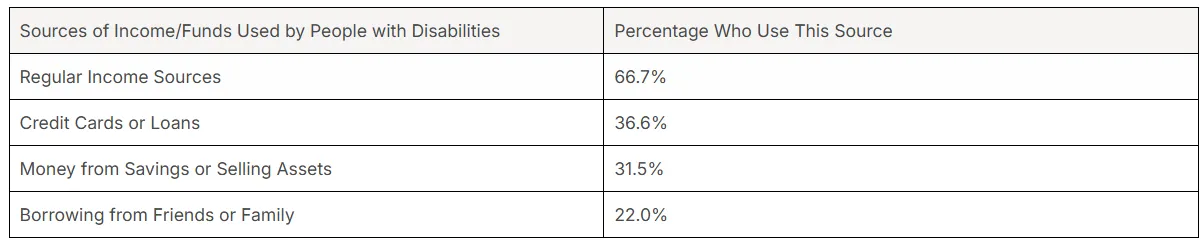
These financial barriers mean that many are forced to choose between their mental well-being and basic needs like food and rent. To cover expenses, many disabled individuals have to rely on unsustainable methods, which can lead to long-term debt and further stress.
This reliance on different funding sources highlights the financial instability many face.
For those facing financial hardship in the City of Houston, navigating assistance programs can be a lifeline. The local government and various non-profit organizations offer programs designed to reduce the financial burden of living expenses and health care. However, finding and qualifying for this support can be a complex process.
These programs, such as SNAP (Supplemental Nutrition Assistance Program) and rental assistance, can free up funds that can then be used for mental health support. People with disabilities are significantly more likely to rely on these programs, which shows how vital they are for the community's well-being.
To get started, you can:
When financial barriers prevent access to care, the consequences for long-term mental health outcomes can be severe. Untreated mental health issues can worsen over time, leading to increased psychological distress and a significant decline in overall quality of life. This creates a cycle where financial stress exacerbates mental health problems, and poor mental health makes it harder to manage finances.
This lack of access is especially damaging for individuals with chronic health conditions, who may already be dealing with the mental toll of managing their physical health. The inability to afford long-term care for mental well-being can lead to feelings of hopelessness and despair.
Investing in affordable and accessible mental health care is not just about treating symptoms; it's about promoting long-term stability and well-being. By reducing financial barriers, we can help break this damaging cycle and improve mental health outcomes for the entire community.
Getting to a therapist's office can be a significant challenge in a sprawling city like Houston. For disabled individuals, transportation issues are a major barrier to consistent access to care. Unreliable public transportation, high costs for specialized services, and the physical difficulty of travel can make attending in-person appointments nearly impossible for some.
This lack of reliable transport options means that even if someone finds the perfect mental health provider, they may not be able to see them regularly. The following sections will explore these difficulties and potential solutions to bridge the transportation gap.
For individuals with mobility impairments, transportation barriers can be overwhelming. Public transportation systems may not be fully accessible, with broken elevators, lack of ramps, or routes that don't serve areas where clinics are located. This unreliability makes planning a trip to a provider a stressful and often futile effort.
The physical act of traveling can also take a toll on a person's physical health and energy levels, making it difficult to engage fully in a therapy session upon arrival. The stress and exhaustion associated with simply getting to an appointment can outweigh the potential benefits of the care itself.
This lack of access to care is a critical issue that directly impacts mental well-being. When a person cannot physically get to the support they need, their mental health is likely to suffer. Addressing these transportation challenges is essential for ensuring equitable access to mental health services for all.
Bridging transportation gaps requires creative community solutions and a commitment from local leadership. Houston has the opportunity to lead the way by investing in a more accessible and reliable public transportation system that truly serves all its residents, including those with disabilities.
Advocacy is key to making this happen. By raising these issues with the local government, including the Houston City Council and Mayor Whitmire, residents can push for meaningful change. Partnerships between healthcare providers and transportation services could also offer a more direct solution for patients needing to get to their appointments. Potential community solutions include:
These efforts can make a real difference in ensuring everyone can access the care they need.
One of the most effective solutions to transportation barriers is the expansion of telehealth services. Virtual or telephone appointments allow individuals to receive mental health care from the comfort of their own homes, completely removing the stress and difficulty of travel. This has been a game-changer for many disabled people.
Telehealth makes access to care more equitable, ensuring that mobility impairments or lack of transportation do not prevent someone from getting support. It also offers more flexibility in scheduling, which can be a huge benefit for those managing chronic health conditions and fluctuating energy levels.
From a public health perspective, continuing to support and expand telehealth options is a crucial strategy for improving mental health outcomes. By embracing technology, we can dismantle a significant barrier and make mental health services more accessible to everyone, regardless of their physical location or mobility.
Finding a therapist you can trust is a critical part of any mental health journey. For disabled individuals, this search can be even more complicated. It’s not just about finding any therapist; it’s about finding mental health professionals who are knowledgeable about disability, culturally competent, and committed to providing inclusive care.
Many face the challenge of finding health services that don't dismiss their experiences or misunderstand their needs. The following sections explore the importance of specialized training for therapists and how to find a provider who can offer truly accessible and affirming support.
A major challenge in the health care system is the lack of adequate therapist training on disability inclusion. Many providers are simply not equipped with the knowledge to understand the unique experiences of disabled individuals. This can lead to ineffective or even harmful mental health support, where the focus is on the disability rather than the person.
This gap in provider training often results in "diagnostic overshadowing," where legitimate mental health concerns are dismissed as being "part of the disability." When this happens, you can feel invalidated and unheard, making it difficult to build the trust necessary for a therapeutic relationship.
Seeking out "disability-informed" therapists is essential. These are professionals who have pursued specialized training and understand that disability is not the problem. They focus on addressing the social and systemic barriers that impact mental well-being, providing support that is both respectful and effective.
Trust is the foundation of effective mental health care. For disabled individuals, especially those with intersecting identities, building that trust requires finding culturally competent providers. This means finding a therapist who understands not just your disability but also other aspects of your identity, such as your race, sexual orientation, or gender identity.
Many disabled people who are also part of the LGBTQ+ community report feeling invisible in both disability spaces and queer spaces. A culturally competent provider recognizes these overlapping experiences of marginalization and provides affirming care that respects all facets of who you are. They listen to the needs of people without making assumptions.
When looking for a provider, consider asking about their:
This helps ensure you find someone who can provide the safe, non-judgmental space you deserve.
At Riaz Counseling, we believe that everyone deserves access to compassionate and effective mental health services. Our approach is built on a foundation of inclusion and a deep understanding of the barriers disabled clients face. We are committed to providing truly accessible support that honors your unique experiences.
We prioritize creating a safe and affirming space where you feel seen, heard, and respected. Our therapists are trained in disability-informed care and understand that your mental health is shaped by many factors, including societal attitudes and systemic barriers. We work with you to address your needs without judgment or assumption.
What sets Riaz Counseling apart is our dedication to:
We are here to support you on your journey toward better mental health.
Sometimes, the biggest barrier to getting help is simply not knowing where to find it. Across the United States, there are significant information barriers that prevent disabled individuals from learning about the mental health resources available to them. A lack of awareness and education can lead to delayed treatment and prolonged suffering.
When information about services is hard to find, inaccessible, or unclear, it places another burden on those already struggling. The following sections will discuss how this lack of knowledge affects access to care and what can be done to promote better information sharing.
A lack of awareness about available mental health resources is a critical issue that keeps many disabled individuals from seeking help. If you don't know that support exists, or how to access it, you can't take that first step. This information gap can leave people feeling isolated and believing they have to manage their mental health concerns on their own.
Many people with invisible disabilities, in particular, may not even realize that their struggles are valid mental health concerns that can be addressed with professional support. The constant effort of "proving" their disability can overshadow the need to seek help for the emotional toll it takes.
Improving national health outcomes requires a concerted effort to raise awareness about the wide range of mental health resources available. People need to know that there are therapists, support groups, and programs designed to help them navigate the unique challenges they face.
To combat information barriers, proactive outreach efforts are essential. Houston organizations, in partnership with local government, can play a vital role in ensuring that information about mental health support reaches the disabled community. This means going beyond simply having a website and actively connecting with people where they are.
These outreach efforts could include workshops at community centers, partnerships with disability advocacy groups, and information campaigns in healthcare settings. The goal is to make information about access to care as easy to find as possible, reducing the burden on individuals to do all the research themselves.
Effective outreach strategies might involve:
By bringing information directly to the community, we can empower more people to seek the support they need.
Beyond outreach, the information itself must be clear and accessible. Complicated jargon, confusing websites, and materials that aren't designed for people with different needs create more barriers. Promoting accessible information is a key part of providing equitable mental health support.
This means ensuring that websites are compatible with screen readers, documents are available in plain language, and details about services are straightforward. Mental health research and resources should be presented in a way that is easy for everyone to understand, regardless of their disability status or educational background.
To make information more accessible, organizations should:
By making information easy to access and understand, we remove a major hurdle for those seeking help.
Overcoming the many mental health barriers faced by disabled people requires a shift toward more inclusive approaches. This means moving beyond just treating symptoms and actively working to dismantle the systemic issues that cause distress. Strategies like advocacy, peer support, and universal design are vital for creating a truly supportive environment.
These approaches place the power back in the hands of individuals while also demanding that systems change for the better. The following sections explore how these methods can help break down barriers and foster a culture of inclusivity in mental health care.
Advocacy is one of the most powerful tools for creating change. On an individual level, self-advocacy means learning to ask for what you need and setting boundaries to protect your well-being. On a larger scale, organized advocacy pushes for systemic changes that benefit the entire disabled community.
Peer support networks offer another invaluable form of mental health support. Connecting with others who share your lived experiences can reduce feelings of isolation and provide a sense of belonging. These communities are safe spaces to share frustrations, celebrate successes, and exchange practical advice.
Some inclusive approaches and resources include:
A truly inclusive approach to mental health care involves implementing universal design. This is the principle of designing environments and services to be usable by all people, to the greatest extent possible, without the need for adaptation. Instead of creating separate "accommodations," universal design builds inclusivity in from the start.
In mental health care, this could mean ensuring all clinics are physically accessible, offering telehealth as a standard option, and providing information in multiple formats. It's about recognizing that people have diverse needs and creating a system that serves everyone well.
By adopting universal design, the health care industry can move away from a model that puts the burden of adaptation on the disabled person. This fosters a sense of belonging and makes public accommodations for health truly welcoming for all, promoting better mental health outcomes and greater inclusivity.
At Riaz Counseling, we recognize that simply having an office is not enough; accessibility must be integrated into every aspect of our practice to serve the diverse disability community in Houston, Texas. Our mission is to provide professional, supportive, and human-centered care that actively addresses the unique barriers faced by disabled clients.
We believe that every individual in Houston deserves the highest standard of mental health care, free from prejudice and logistical hurdles. Riaz Counseling is dedicated to being a safe, knowledgeable, and accessible haven for the disabled community.
If you are a disabled person in Houston, Texas, struggling with mental health challenges, please know that your struggles are valid, and they are often a normal reaction to abnormal, systemic barriers. The exhaustion, the frustration, the anxiety—these are not failures of character; they are the result of navigating an ableist world.
Seeking therapy is a courageous act of self-advocacy and a powerful tool for reclaiming your emotional well-being. By addressing the psychological impact of discrimination, chronic pain, and social isolation, you can build resilience and find greater peace and self-acceptance.
Riaz Counseling is here to walk alongside you on this journey. We offer the expertise and understanding necessary to overcome the mental health barriers that have limited your access to care.
Don't let systemic hurdles define your mental wellness. Contact Riaz Counseling today to schedule your confidential, accessible consultation and take a step toward the supportive care you deserve.
Finding a professional therapist who understands the unique challenges of disabled individuals is key to effective mental health treatment. At Riaz Counseling in Houston, we offer inclusive and compassionate health care services. Our team is trained to provide the support you need to navigate your mental health journey with confidence.
The top mental health barriers for disabled people in Houston include societal stigma, physical inaccessibility of clinics, financial constraints, and a lack of trained providers. At Riaz Counseling, we strive to overcome these obstacles by offering accessible and affordable mental health services tailored to your specific mental health concerns.
You can advocate for more accessible support by clearly communicating your needs to providers, connecting with peer advocacy groups, and pushing for systemic change in mental health care. At Riaz Counseling, we empower our clients with self-advocacy tools and provide information on mental health resources to support their journey.
Riaz Counseling is an inclusive choice because we are committed to providing accessible support that respects your lived experience. Our health care approach is built on inclusion, cultural competence, and disability-informed training. We offer flexible telehealth mental health services to ensure everyone can access the care they deserve.
If you feel that you or someone you know, may benefit from therapy, please reach out to our office for a FREE 15 minute consultation: LINK
Stay informed about the latest research in psychology.
.png)
Navigating dual-parent family challenges with practical strategies for balance, communication, and well-being.
.png)
Benefits of dual-parent households in Houston for child development, stability, and well-being
.png)
Heal after a breakup in Houston with self-care strategies, local experiences, and professional counseling support.

Interested in a job with Riaz Counseling? Looking for Supervision for your license? Let’s Connect! We look forward to speaking with you to see if we would be a great fit for each other.
