Seasonal Affective Disorder (SAD) can significantly impact Houston college students’ mood, energy, and academic performance, but early recognition and evidence-based support can make the winter months more manageable.
December 10, 2025
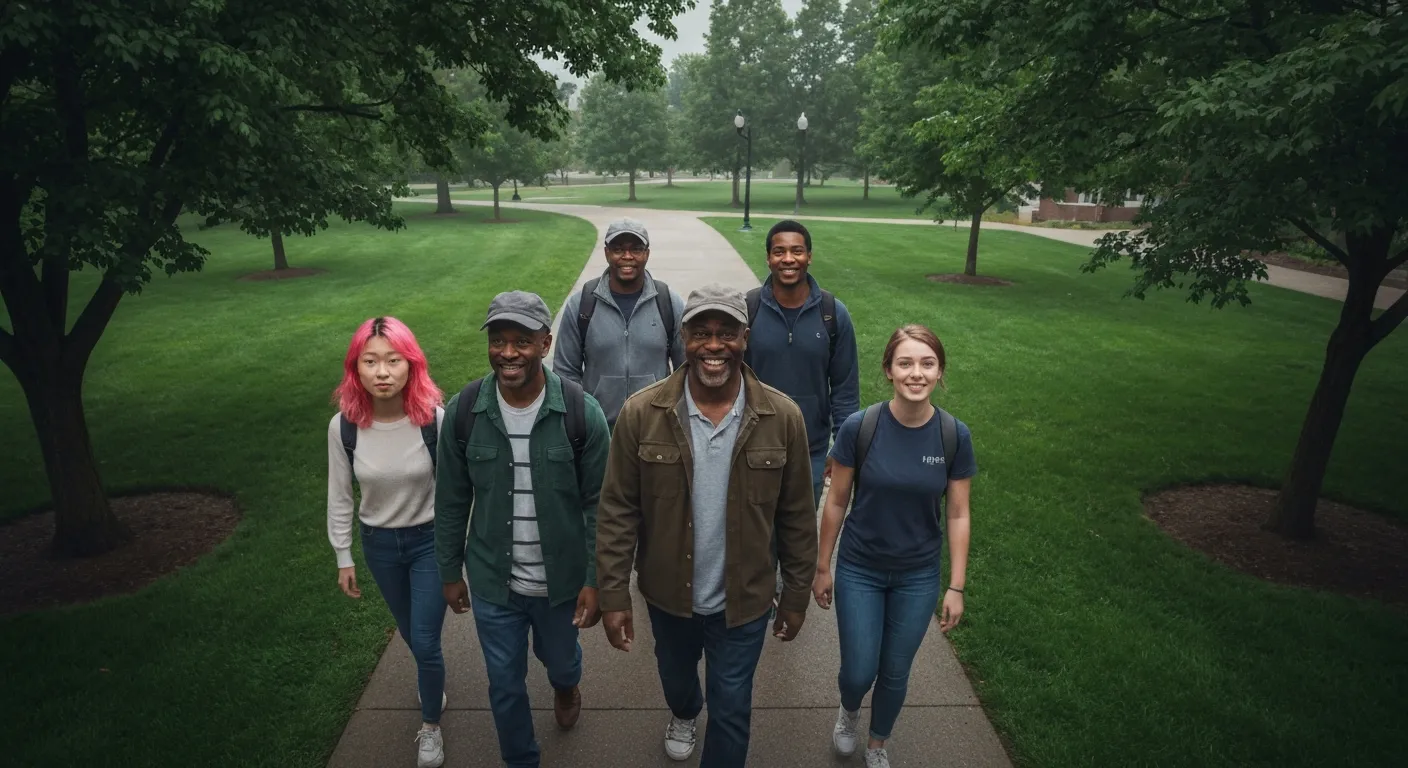
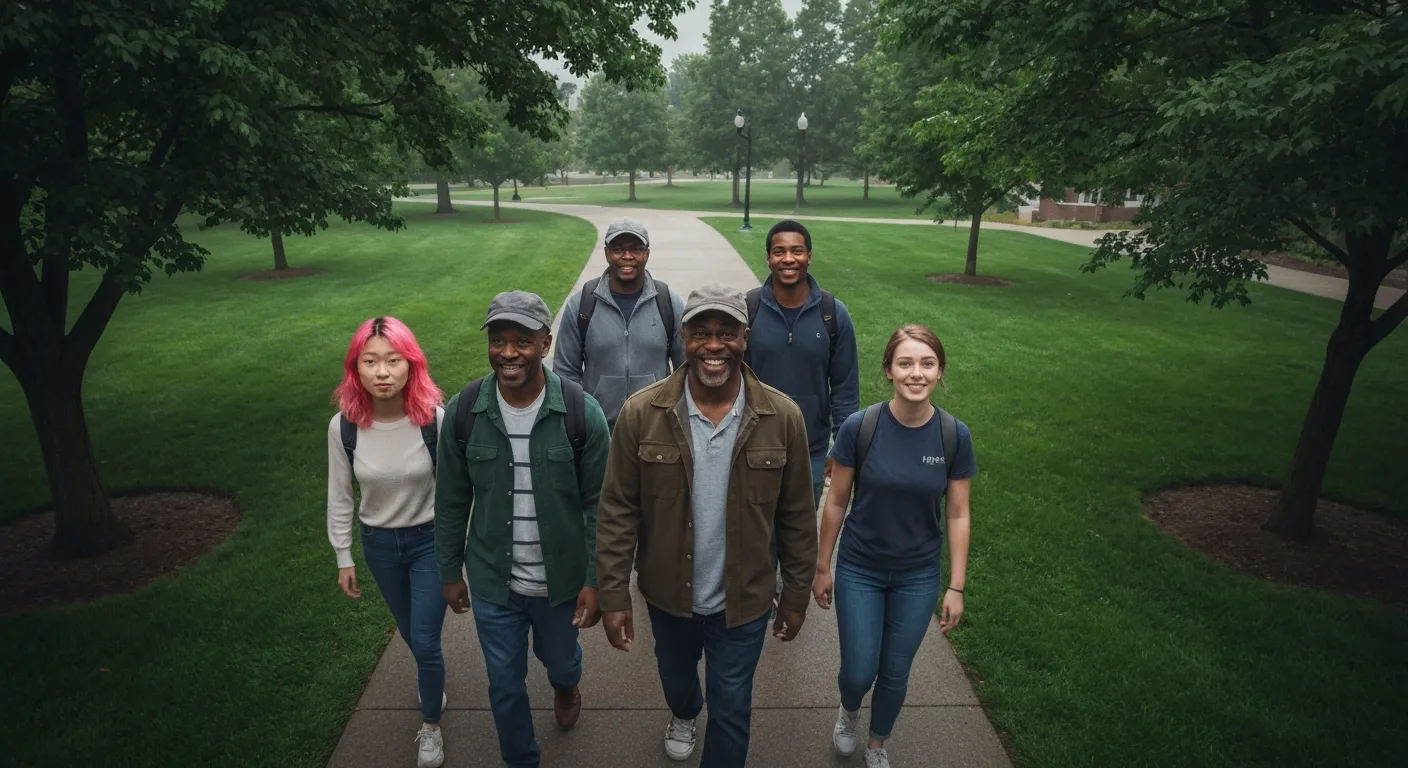
The college experience, even in a dynamic city like Houston, Texas, is an intense blend of academic pressure, social demands, and newfound independence. As the calendar shifts from the long days of early fall to the shorter, cooler days of winter, many university students find themselves overwhelmed by persistent fatigue and low mood. Often, these feelings are dismissed as simple stress, finals week exhaustion, or homesickness. However, for many, these recurrent symptoms signal a deeper, biological challenge: Seasonal Affective Disorder (SAD), a form of Major Depressive Disorder with a seasonal pattern.
Seasonal Affective Disorder symptoms in college students are often masked by the demanding academic environment, making early recognition difficult. Unlike general stress, SAD is linked directly to the decrease in natural daylight, leading to a biological imbalance that profoundly impacts energy, sleep, and concentration.
At Riaz Counseling in Houston, we understand that SAD can severely derail academic success and personal well-being. This comprehensive, medically accurate guide aims to illuminate the unique ways SAD manifests in college students, detail the biological causes, and provide evidence-based coping strategies and professional solutions to help students across Houston, Texas, navigate the darker months with resilience and stability.
Seasonal Affective Disorder is a specific type of depression that emerges and fades with the changing seasons. For most people in the United States, symptoms begin in the late fall or early winter and resolve by spring. This timing can be especially challenging for college students, as it coincides with demanding academic periods.
The pressures of college life, from exams to social adjustments, can amplify the effects of SAD, making it a significant mental health concern on campuses. These unique stressors can make it harder for students to distinguish SAD from typical academic burnout, delaying their path to getting help. Now, let's explore what makes SAD different for this group and its seasonal patterns.
SAD symptoms can present unique challenges for college populations. The condition often begins in young adulthood, with an average onset between 20 and 30 years of age, placing many college students directly in the primary risk group. This period of life is already filled with significant transitions and academic pressure, which can complicate mental health concerns.
Furthermore, students with other pre-existing conditions like major depression, bipolar disorder, ADHD, or anxiety disorders are more susceptible to developing SAD. The added weight of sad symptoms can make managing these other conditions even more difficult, creating a complex web of mental health challenges that requires careful attention.
For young adults navigating college, the social withdrawal and low energy associated with SAD can disrupt the formation of support networks and academic success. These factors make it crucial for college students to recognize the signs early and understand that their experience with SAD may be intensified by the unique demands of their environment.
While Seasonal Affective Disorder is often linked to northern regions with harsh winters, its presence isn't limited by geography. In places like Houston, Texas, where the local climate is milder, the shorter daylight hours can still trigger the "winter blues" or full-blown SAD. The key trigger is the reduction in sunlight exposure, not just cold temperatures, which can disrupt your body's internal clock.
Though winter-pattern SAD is most common, some people experience symptoms during the spring and summer. This less frequent form of SAD is associated with different symptoms, such as insomnia and agitation, rather than the oversleeping seen in winter. It’s important to recognize that SAD can happen during any season if there's a recurring pattern.
Understanding the differences can help you identify what you might be experiencing.

For college students, identifying the symptoms of Seasonal Affective Disorder is the first step toward getting help. The signs often overlap with major depression but follow a distinct seasonal pattern. You might notice a persistent feeling of sadness, a loss of interest in activities you once enjoyed, and overwhelming fatigue that isn’t solved by a good night’s sleep.
These feelings can significantly impact your academic and social life on campus. Being aware of the specific physical, emotional, and behavioral changes is critical. Let’s look at the specific warning signs and how to tell them apart from the usual stress of college.
If you suspect you have SAD, there are several key warning signs to watch for. These symptoms tend to appear as the seasons change and can affect your body, mind, and actions. Pay attention to how you feel physically and emotionally as the days get shorter.
Emotionally, you might experience persistent negative thoughts or feelings of hopelessness and worthlessness. Behaviorally, this can manifest as social withdrawal, making you want to "hibernate" and avoid friends or campus activities. Physically, the changes can be just as telling.
Here are some common warning signs:
Juggling classes, assignments, and a social life can be stressful for any student. So, how can you tell if your feelings of sadness are due to college stress or something more, like SAD? The main difference lies in the pattern and severity of the symptoms. Everyday stress is often tied to specific events, like finals week, and tends to ease up once the situation resolves.
In contrast, SAD is a form of clinical depression. Its symptoms are more persistent, lasting for about four to five months, and they return around the same time each year. While college stress might make you feel temporarily overwhelmed, the sad symptoms associated with SAD are more profound and can include intense feelings of hopelessness.
If your feelings of sadness are deep, long-lasting, and seem to be tied to the season rather than your academic calendar, it’s a strong indicator that you may be dealing with more than just typical college stress. Consulting a mental health professional can help you get a clear diagnosis.
Several factors can influence how intensely Seasonal Affective Disorder affects you during your college life. Your academic workload, social environment, and even your geographic location play a role. These elements can either worsen your symptoms or, if managed well, become part of your support system.
Understanding these risk factors is key to getting ahead of the condition. Academic pressure can feel heavier when you're already low on energy, and a changing social life can increase feelings of isolation. Next, we will explore how these specific influences, including the local climate, can impact your mental health.
The demands of college can significantly worsen SAD symptoms. Academic pressure during the fall and winter months often peaks with midterms and final exams, coinciding with the time when SAD symptoms are typically at their worst. The difficulty concentrating and low energy associated with SAD can directly harm academic performance and motivation, creating a frustrating cycle of stress and poor results.
Your social life may also be affected. The desire to withdraw and "hibernate" can lead to isolation from friends and support networks, which are crucial for good mental health. This can be especially hard for students who have moved away from home and are still building their social circles on campus.
Finally, the local climate is a major factor. Attending college in a location with fewer daylight hours during winter months, or even in a place with frequent cloudy weather, increases the risk. The lack of sunlight disrupts your body's natural rhythms, directly contributing to the chemical imbalances that cause SAD.
Even in a southern city like Houston, college students can face challenges with SAD. A primary hurdle is the misconception that SAD only occurs in colder, northern climates. This can lead students, and even some healthcare providers, to dismiss symptoms as simple stress, delaying diagnosis and treatment.
Although Houston has more sun than many other places, the seasonal change and reduction in daylight hours are still present and can be enough to trigger SAD in susceptible individuals. Finding adequate support systems can also be a challenge if awareness about SAD is low in the community. Without understanding friends or accessible local resources, students may feel isolated in their struggle.
It is vital for Houston college students to advocate for their mental health care. Seeking out campus counseling services or local therapists who understand SAD is a crucial step. Many campuses offer resources and can connect students with professionals who can provide an accurate diagnosis and effective treatment plan.
The good news is that Seasonal Affective Disorder is treatable, and many effective treatments are accessible to college students. You don't have to simply push through the difficult months alone. Options range from therapies you can do in your dorm room to professional mental health services available on or near campus.
Popular approaches include light therapy, which mimics natural sunlight, and counseling to help you develop coping strategies. These treatments can be used alone or in combination to significantly improve your mood and energy levels. Let's look at some of the most helpful ways to manage your symptoms effectively.
Managing SAD often involves a multi-faceted approach tailored to your specific needs. Many students find relief by combining lifestyle adjustments with professional treatments. Campus counseling services are a great place to start, as they can guide you toward the right resources.
One of the most common treatments is light therapy, which involves sitting in front of a special light box for about 30 minutes each morning. Psychotherapy, particularly Cognitive Behavioral Therapy (CBT), is also highly effective. It teaches you to replace negative thoughts associated with the season with more positive ones and helps you schedule engaging activities. Peer support, often found in campus groups, provides a sense of community and reduces isolation.
Here are some of the most effective treatments:
In conclusion, understanding and addressing Seasonal Affective Disorder (SAD) is crucial for college students who often face unique challenges. By recognizing the symptoms and factors that contribute to SAD severity, students can better equip themselves for effective management. Utilizing strategies such as light therapy, seeking counseling, and fostering peer support can significantly alleviate the impact of SAD. Remember, you are not alone in this; many students around you may be experiencing similar feelings. Prioritizing your mental health and taking proactive steps can lead to a more fulfilling and balanced college experience. If you're looking for personalized support, don't hesitate to reach out and get a free consultation with our mental health experts.
The key differentiator is the seasonal and atypical pattern. Normal college stress causes anxiety and sometimes insomnia, while SAD symptoms typically include hypersomnia (oversleeping, but still feeling tired) and intense carbohydrate cravings. If your extreme fatigue, low mood, and craving for sweets reliably start in the fall and clear up in the spring, it is likely SAD. Riaz Counseling offers specialized assessments to help differentiate between burnout, general depression, and SAD.
Signs of depression in college students include persistent sadness, withdrawal from social activities, changes in sleep or appetite, difficulty concentrating, and a loss of interest in previously enjoyed activities. Recognizing these SAD symptoms in college students is crucial for early intervention and support to enhance their overall well-being.
Absolutely. The signature lethargy, difficulty concentrating, and social withdrawal associated with SAD directly impair academic performance and motivation. At Riaz Counseling, we use targeted Cognitive Behavioral Therapy (CBT-SAD) to implement Behavioral Activation, which helps you commit to academic tasks and social engagement despite feeling low energy, effectively mitigating the academic damage.
No, your privacy is strictly protected. Riaz Counseling operates as an independent, external private practice in Houston, Texas. All therapy sessions are confidential under professional and legal ethics (HIPAA). Seeking support with us will not be disclosed to your university, academic advisors, or future employers. We provide a safe space to focus on your mental health without academic penalty concerns.
We utilize Behavioral Activation, a core component of CBT. Your therapist at Riaz Counseling will help you schedule specific, rewarding activities (social, physical, or hobbies) and hold you accountable for engaging in them. This structured commitment directly counters the SAD-induced desire to withdraw, which is critical because isolation actually worsens depressive symptoms.
Yes, Light Therapy (Phototherapy) is the first-line treatment for winter SAD. Our counselors at Riaz Counseling will discuss the proper use of a $10,000 \text{ lux}$ light box, including the critical factor of timing (using it immediately upon waking) and duration, which maximizes its effect on your melatonin and serotonin levels.
If you feel that you or someone you know, may benefit from therapy, please reach out to our office for a FREE 15 minute consultation: LINK
Stay informed about the latest research in psychology.
.png)
Navigating dual-parent family challenges with practical strategies for balance, communication, and well-being.
.png)
Benefits of dual-parent households in Houston for child development, stability, and well-being
.png)
Heal after a breakup in Houston with self-care strategies, local experiences, and professional counseling support.

Interested in a job with Riaz Counseling? Looking for Supervision for your license? Let’s Connect! We look forward to speaking with you to see if we would be a great fit for each other.
