Rebuild your life after divorce with our step-by-step guide. Find support and advice on navigating this challenging time.
February 14, 2025

Going through a divorce, which represents the legal dissolution of a marriage, is not easy. It marks the end of a marriage by court order. This can come with many legal, emotional, and practical issues. Family law, including divorce law, sets rules for legal separation and the dissolution of a marriage. These rules can change based on where you live and your situation. This guide will talk about important parts of recovering from a divorce and additional information on the dissolution of marriage. It will offer helpful tips and strategies to help you rebuild your life after such a tough experience.

Divorce can be a very emotional time. People often feel a mix of strong feelings. It is important to understand that it takes time to heal. You may go through different feelings during this process, and that is normal.
These feelings don’t always happen in a straight line. You might find yourself feeling the same emotion again or in a different way. Recognizing these feelings and asking for help can lead to a better and healthier recovery.
The first shock of a divorce can feel very strong. You might feel disbelieving. During this period of time, feeling numb, confused, or in denial is normal.
This shock happens because your mind is trying to deal with the sudden change in your life. It can take time to really understand the divorce and what it means for you.
Give yourself time and space to accept the news without judging yourself. The denial stage may feel hard, but it's just a short-term way to protect your feelings when everything is changing so much.
As the shock begins to fade, you might start to feel angry and upset. It’s normal to feel anger toward your ex, yourself, or the whole situation.
Feeling angry is a natural part of going through a divorce. It shows that you are letting out the strong feelings you’ve been holding in. It's important to understand that this anger is a real emotion and needs to be dealt with in a healthy way.
You may also catch yourself trying to bargain mentally. You might think about how to change what happened or consider ways that could have fixed the marriage. Even though this stage won’t likely change the outcome, it shows your struggle to accept the divorce.
As you face the reality of divorce, you may start to feel sad, grieve, and even go through depression. This is a normal reaction to losing a relationship that meant a lot to you and the life you were used to.
During this time, you might feel empty, hopeless, or unmotivated. You may also want to pull away from your old life and the people around you.
It is very important to find healthy ways to handle these tough feelings. Getting help from therapists, joining support groups, or talking with friends and family can be comforting. This support can help you work through the depression and distance that often come with divorce.
Divorce in Houston, TX requires looking at important legal and financial details to help both people make the shift easily, including understanding the residency requirement regulations set by the court staff and the department of state in New York. It is important to know the legal rules about divorce in Texas and seek legal assistance if needed.
Getting help from skilled people, like family law attorneys and financial advisors, is key. They will protect your rights and interests during this time.
In Texas, child support rules look at different things, including each parent's income, how many children there are, and the custody plans. A fair child support order plan is important as part of a divorce. It helps take care of the kids' needs and eases financial stress.
In Texas, child support rules look at different things. These include each parent's income, how many children there are, and the custody plans. A fair child support plan is important as part of a divorce. It helps take care of the kids' needs and eases financial stress.
Keeping open communication and working together, even after divorce, is key for good co-parenting. This helps everyone, especially the children.
Texas follows the principle of community property, meaning assets and debts acquired during the marriage are generally divided equally. Understanding the types of property that constitute marital property is essential for the part of the divorce regarding a fair division of property assets.
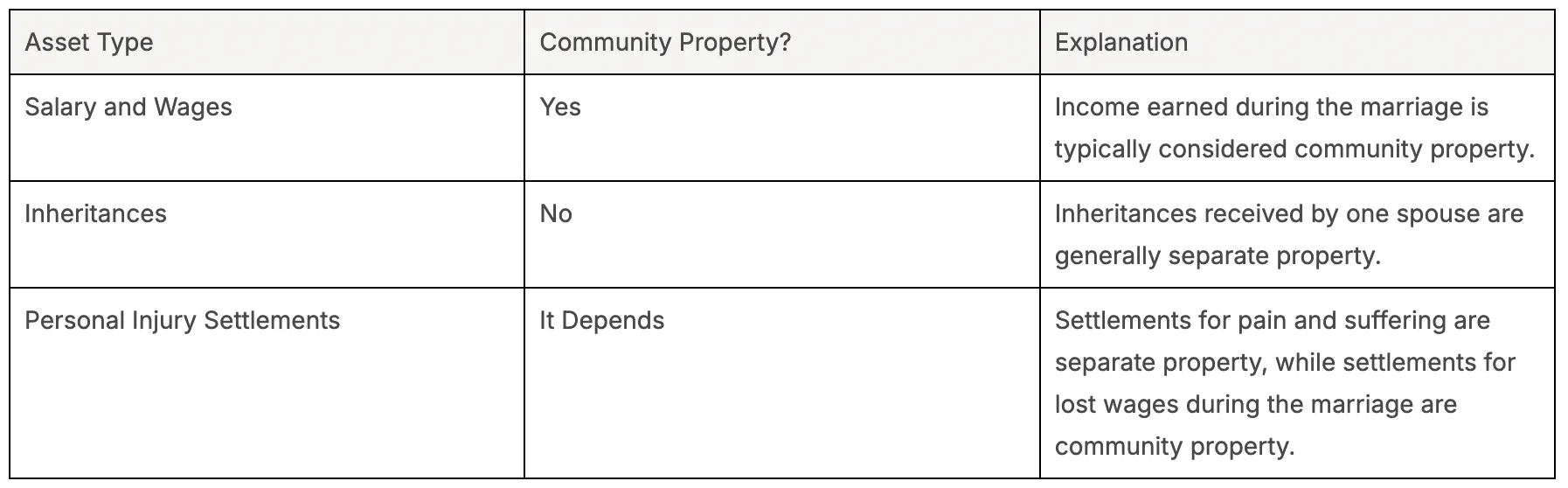
Seeking legal counsel helps clarify your legal rights and ensures a just division of marital property while addressing any existing debts.
The divorce process usually causes changes in social life and can affect romantic relationships, revealing some effects of divorce on individuals, including their mental health. This can make people feel they need to create new social connections, especially when considering the financial aspect of legal proceedings during this time. It’s important to remember that financial support can be impacted during this time, and you can build new friendships and strengthen old ones, especially those formed during high school with older age individuals.
Don't be afraid to contact your friends, family, or support groups. Joining social activities and following your interests can help you meet new people and build a community.
Divorce can be a time for important self-discovery. It is a chance to reconnect with what you love and explore new hobbies. Take this time to pick up activities you used to enjoy or try something new you have always wanted to do.
Doing things that make you happy can improve your self-esteem and lower your stress. It also helps your overall well-being. Think about joining clubs or groups that focus on your interests. This lets you meet people who like the same things.
Keep in mind that self-discovery never ends. As you move forward after divorce, focus on activities that light your passions. Look for things that give you purpose and make you feel satisfied.
Divorce can change your social life, altering friendships and support systems. It’s normal to feel like you need time to adjust to these changes.
During this time, it's important to connect more with family and friends who truly support you. Rely on those who make you feel better and give you a safe place to talk about your feelings and experiences.
Here are some tips to create new connections:
Effective co-parenting is very important for kids after a divorce. It means putting the kids’ needs first. It also helps to keep a good family bond even with all the changes.
Talking openly and respectfully is important. Being ready to find common ground is also key to successful co-parenting. This can help lower arguments and support the kids' emotional health.
Establishing good communication with your ex-spouse is very important for co-parenting. It may be tough at first, but using clear communication methods can help reduce arguments and confusion.
You can use email or text messages for everyday matters. This makes it easier to keep a record and reduces emotional stress. For more sensitive issues, it is better to have phone calls or face-to-face meetings. This will help make sure both sides understand each other clearly.
Always remember to focus on what is best for your children. Showing a united front, even when you disagree, helps create a more stable and supportive environment for their growth. Using good communication skills is key to successful co-parenting.
Creating a stable and supportive home for your children after a divorce means setting clear rules and sticking to a set parenting plan during the divorce proceeding. A good parenting plan should explain things like custody of children schedules, including primary physical custody arrangements, how decisions are made, and what each parent is responsible for. This helps cut down on confusion and fights, which can be a good reason to adhere to the plan.
You should also set clear boundaries when communicating with your ex-spouse. It is important to be friendly but also to have your personal space and some time for yourself. This is key for your own emotional health.
Always remember, a good environment focuses on what your children need emotionally. Support open talks with both parents. This will help give them comfort and stability as your family goes through changes.
Rebuilding your life after a divorce is a long journey. It takes time to heal emotionally, to know the legal details, and to rebuild your social life. You need to understand the feelings of shock, anger, and sadness that may come up. In Houston, TX, it's important to handle legal and money matters like child custody and dividing assets carefully.
Reconnecting with your hobbies, building better relationships, and planning how to co-parent are important steps for starting fresh. Therapy can also help you in this process. It's good to find support, set limits, and take the chance to find yourself again. With time and self-care, you can become stronger and more ready for what comes next.
There is no set time for how long it takes to recover from a fault divorce. This healing process is personal and can be different for everyone. The waiting period and period of time needed depends on how complex the divorce case is, how people cope with emotions, and their own unique situations.
Get legal help to know the financial effects, such as how your assets will be split and possible spousal support. Then, make a practical budget that fits your new financial reality.
Therapy can really help when going through a divorce. It gives emotional support and helps you deal with difficult feelings. A therapist can guide you through the hard times and teach you how to cope in a healthier way.
Stay informed about the latest research in psychology.
.png)
Navigating dual-parent family challenges with practical strategies for balance, communication, and well-being.
.png)
Benefits of dual-parent households in Houston for child development, stability, and well-being
.png)
Heal after a breakup in Houston with self-care strategies, local experiences, and professional counseling support.

Interested in a job with Riaz Counseling? Looking for Supervision for your license? Let’s Connect! We look forward to speaking with you to see if we would be a great fit for each other.
