.webp)

Mental health is not a privilege; it is a fundamental aspect of human health and well-being. Yet, for too long, individuals seeking mental health treatment have faced systemic barriers, discrimination, and a history of having their basic rights overlooked. In Houston, Texas, and across the nation, an understanding of Mental Health Human Rights is not only an academic exercise it is a critical tool for self-advocacy and ensuring quality care.
At Riaz Counseling, we believe that the foundation of effective therapy is trust, respect, and the absolute guarantee of a patient’s rights. Whether you are seeking voluntary outpatient counseling or navigating the complexities of the public health system, knowing your legal and ethical protections empowers you, combats stigma, and leads to better outcomes.
This comprehensive guide, anchored in the legal principles governing Texas and the U.S., will clearly define your rights as a mental health consumer in the Houston, Texas area, explore the ethical foundation of these rights, and detail how Riaz Counseling upholds these standards in every session.
Your mental health human rights are the fundamental protections that ensure you are treated with dignity and fairness. In the state of Texas, these rights are rooted in civil rights laws, guaranteeing that receiving mental health services does not diminish your standing as a citizen.
Essentially, you have the same basic rights as anyone else. This includes the right to make your own decisions, manage your property, and be free from discrimination. These protections are a core part of the human services system in Houston.
As a resident of Houston or Harris County, you are guaranteed a specific set of patient rights under Texas law. These rights are designed to protect you while you receive mental health care. You maintain the right to vote, acquire and use property, and engage in contracts. Seeking treatment does not take away your legal capacity or rights as a citizen.
Furthermore, your treatment environment must be humane and provide reasonable protection from harm. You have a right to an individualized treatment plan and to be an active participant in creating it. This ensures that your health care journey is collaborative and tailored to your unique needs.
You also have the right to refuse unnecessary or excessive medication and to decline participation in any research programs. For Harris County residents and others in Texas, these patient rights form the foundation of respectful and effective mental health care, ensuring your voice is heard and your well-being is prioritized.
Both state and federal law provide strong protections for individuals, especially in situations involving involuntary detention for mental health reasons. In the state of Texas, a person can only be taken into custody without a warrant if an officer believes there is a substantial and immediate risk of serious harm to the person or others due to a mental illness. This is a measure of last resort.
Even in these cases, your civil rights are protected. You must be examined by a physician within 12 hours, and emergency detention is only permitted if specific criteria are met, showing it is the least restrictive means necessary. You have the right to communicate with an attorney and a family member.
These laws are in place to prevent unjust detention and ensure any restriction of liberty is carefully and legally justified.
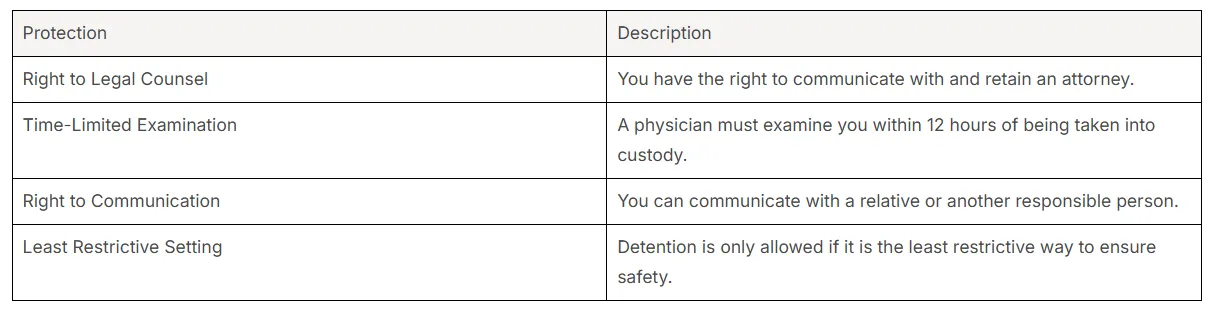
Residents of Houston, like those in many large cities, face a range of mental health challenges. These can stem from a variety of factors and affect individuals from all walks of life. Many people grapple with a specific mental health condition, while others may experience challenges related to substance use.
Accessing appropriate health care is a critical step in addressing these issues. Thankfully, Houston has resources designed to support individuals through these difficulties. The following sections will explore some of these prevalent conditions and the barriers that can stand in the way of getting help.
In Houston, a number of mental health conditions are quite common. Local mental health authorities focus on providing services for adults with bipolar disorder, schizophrenia, and clinically severe depression. These conditions can significantly impact a person's quality of life if left unmanaged, affecting everything from relationships to daily functioning.
For children, serious emotional, behavioral, or mental disturbances are also a key focus area. Beyond these, authorities also address other diagnosed conditions like post-traumatic stress disorder (PTSD), anxiety disorders, and eating disorders. These are not just labels; they represent real struggles that affect countless individuals in our community.
Untreated mental illness can have devastating consequences, sometimes becoming an indirect cause of death through suicide or other health complications. Addressing these prevalent disorders with effective, ongoing treatment is essential for improving and saving lives across Houston.
One of the biggest obstacles to receiving mental health care is stigma. The fear of being judged or misunderstood can prevent people from seeking the help they need. This, combined with other barriers to care, can make the journey to wellness feel overwhelming. Organizations like Mental Health America work to fight this stigma through education and awareness.
Other significant barriers can also stand in the way. Knowing your patient rights is a powerful tool to overcome some of these hurdles and ensure you get the health care you deserve. Common barriers include:
Overcoming these barriers starts with knowledge and support. By understanding that mental health is a part of overall health and knowing where to turn for help, you can take control of your well-being and advocate for your needs.
When you decide to seek counseling or treatment, it's important to know that you have specific patient rights. These rights are designed to protect you, ensuring your mental health care experience is safe, respectful, and effective. Key among these are the rights to privacy and confidentiality.
Your personal information and what you discuss in therapy are protected. Beyond privacy, you also have rights related to your participation in your own care. The following sections will cover these fundamental patient rights in more detail, giving you the confidence to engage fully in your counseling journey.
Confidentiality is a cornerstone of mental health care. Generally, a provider cannot disclose your information without your explicit permission. This principle of privacy allows you to speak openly and honestly, knowing that your conversations are protected. This protection is a fundamental right for all Americans seeking mental health support.
There are, however, very specific and limited exceptions to confidentiality. These typically involve situations where there is an imminent risk of harm to yourself or others, or in cases of child abuse. These exceptions are legally defined to protect public safety while upholding your privacy as much as possible.
Your right to confidentiality extends to all forms of communication, including phone calls and mail. When you enter a health care facility, you should be informed about their specific privacy policies. This ensures you understand how your information is handled from the very beginning of your treatment.
You have the right to be an active participant in your own counseling. This starts with the right to an individualized treatment plan. You should be involved in developing this plan, ensuring it aligns with your goals and needs, whether you are in outpatient therapy or an inpatient facility.
Your right to access information is also crucial. While the law outlines a patient's right to obtain an independent medical or psychological evaluation, this points to a broader principle of transparency. You should feel empowered to ask questions about your diagnosis, treatment, and progress. In general, you have a right to access your health records, though specific facility policies may outline the process for this.
Furthermore, access to care itself is a right, and resources are available to help, including for those on Medicaid. If you are a minor, your parents or guardians are also entitled to be involved, but your participation remains key. Your voice matters in every step of your treatment.
You don't have to navigate the mental health system alone. In Houston, several advocacy and support organizations are dedicated to helping individuals and families. Groups like NAMI Greater Houston and Mental Health America of Greater Houston provide invaluable resources, from support groups to educational classes.
These organizations work to protect your rights, fight stigma, and empower you with the knowledge and tools you need to thrive. They are a vital part of the community, offering hope and practical assistance. The following sections highlight some of these key groups and how they can help you.
Yes, Houston is home to several powerful local advocacy groups that champion mental health and human rights. These organizations are on the front lines, working to improve the lives of people affected by mental illness through support, education, and policy change.
Some of the most prominent groups in the area are essential resources for the community. They serve as a starting point for anyone seeking help or looking to get involved in mental health advocacy. Key local organizations include:
By connecting with these groups, you can find a community that understands your experiences and is dedicated to fighting for your rights.
Local organizations are crucial for empowerment because they provide direct, on-the-ground support. They protect individuals by making the complex mental health system easier to navigate. For example, NAMI Greater Houston runs a warmline that offers referrals, connecting you to the right resources for your specific situation.
Mental health education is another powerful tool they use. By offering free classes to the community, these groups demystify mental illness and teach families and individuals effective coping strategies and advocacy skills. This knowledge provides empowerment, helping you become your own best advocate.
Ultimately, these organizations create a safety net. Through support groups, they build communities where you can share your story without judgment. Through political advocacy, they push for better laws and more funding for mental health services. This combination of personal support and systemic change is how they protect and empower everyone they serve.
If you feel your rights have been violated during your mental health care journey, it's important to know that you have recourse. You can take action by filing complaints with the appropriate agencies. This process is a key part of upholding civil rights within the health care system.
In Houston and across Texas, there are defined pathways for reporting violations and seeking legal support. Knowing these steps can help you feel more secure and in control. The following sections will provide details on the process and who you can contact for help.
The process for filing complaints about civil rights violations in health care is structured to ensure your concerns are heard. If you believe your rights have been infringed upon, you can file a complaint directly with the U.S. Department of Justice (DOJ).
This is a formal step you can take to seek resolution. The DOJ's Civil Rights Division handles these matters and can investigate claims of discrimination or rights violations in mental health settings. To start the process, you will need to gather your information and contact the appropriate office. The general steps for filing complaints include:
You do not have to go through this process alone. Organizations offering legal support can guide you and help ensure your complaint is filed correctly and effectively.
If you believe your mental health rights have been violated, several organizations in Houston and across Texas can provide legal support and community services. These groups offer advocacy, guidance, and direct assistance to help you navigate your situation.
Knowing who to call is the first step toward protecting yourself. The following contacts are excellent resources for information, support, and action. Don't hesitate to reach out for help via phone or to explore their online resources.
Here are some key contacts for support:
In summary, understanding mental health human rights in Houston is crucial for both individuals seeking help and the community at large. By being aware of your rights, you empower yourself to make informed decisions about your mental health care. The resources and advocacy organizations available in the area play a significant role in protecting these rights and addressing the stigma surrounding mental health issues. Everyone deserves access to quality mental health services that respect their rights and dignity. If you have questions or need assistance regarding your mental health rights, don’t hesitate to reach out for support. Your well-being is worth it!
When seeking voluntary outpatient therapy at Riaz Counseling, you have core rights including the right to receive a comprehensive explanation of your treatment plan. Additionally, you retain the right to refuse any aspect of your treatment that you are not comfortable with.
Riaz Counseling is committed to protecting your privacy. They cannot disclose any mental health information without your explicit written consent, ensuring that your rights and confidentiality are upheld in accordance with mental health regulations and ethical standards.
Informed consent in therapy means clients are fully aware of the treatment process, potential risks, and benefits before they agree to participate. At Riaz Counseling, we prioritize transparency, ensuring all clients understand their options and any associated costs to foster a trusting therapeutic relationship.
Yes, clients at Riaz Counseling have the right to access their therapy records. This commitment to transparency ensures that you can review your progress and treatment plans whenever needed. Simply request your records, and they will be provided promptly.
If you feel that you or someone you know, may benefit from therapy, please reach out to our office for a FREE 15 minute consultation: LINK
Stay informed about the latest research in psychology.
.png)
Navigating dual-parent family challenges with practical strategies for balance, communication, and well-being.
.png)
Benefits of dual-parent households in Houston for child development, stability, and well-being
.png)
Heal after a breakup in Houston with self-care strategies, local experiences, and professional counseling support.

Interested in a job with Riaz Counseling? Looking for Supervision for your license? Let’s Connect! We look forward to speaking with you to see if we would be a great fit for each other.
