.webp)
As we age, we often find ourselves spending more time alone, which can lead to elderly loneliness. This isn't just a fleeting feeling of sadness; it's a serious issue that can impact the quality of life for older people. Meaningful social connections are essential for everyone to thrive, and a lack of them can put both physical and mental well-being at risk. Understanding and addressing loneliness is a crucial step in ensuring our loved ones enjoy a happy and healthy later life.
Loneliness among older people is a growing concern, and communities like Houston are not immune. Many seniors experience social isolation due to various life changes, which presents significant risk factors for their health. This problem has been described as a "loneliness epidemic," affecting a substantial portion of the older adult population.
Understanding the root causes and recent trends is essential for developing effective ways to help. As we explore the factors contributing to loneliness and distinguish it from social isolation, we can better grasp the scale of the issue and how to combat it.
Many factors throughout the life course can lead to loneliness and social isolation in older adults. Changes in health, social circles, and living situations are significant risk factors. For instance, the loss of a spouse, friends moving away, or retirement can dramatically shrink a person’s social world.
Physical challenges also play a major role. A loss of mobility can make it difficult to leave the home and engage with others. Similarly, vision or hearing problems can make conversations frustrating, leading individuals to withdraw. These changes can leave seniors feeling disconnected from the world around them.
Some of the most common causes include:
It's important to understand that social isolation and loneliness are not the same, though they are related. Social isolation is an objective state—it’s the lack of social contacts and having a small social network. Loneliness, on the other hand, is a subjective feeling. It's the distressing emotion of being alone or separated, regardless of how many people are around you.
You can be surrounded by people and still feel incredibly lonely if you lack deep, meaningful connections and emotional support. Conversely, someone might live alone and have few social contacts but not feel lonely at all because they are content with their solitude. Both conditions, however, can lead to serious health issues.
Here are the key differences:
In the United States, loneliness among older people has become a significant public health concern. The National Academies of Sciences, Engineering, and Medicine report that approximately one-third or more of older adults experience loneliness. Some research suggests this figure could be as high as 17-57%, especially for those with existing physical and mental health conditions.
This trend is prompting the health care system to pay closer attention. Former U.S. Surgeon General Vivek Murthy even declared loneliness a "global epidemic." The growing number of older adults means more people are at risk, making it crucial to understand the scope of the problem.
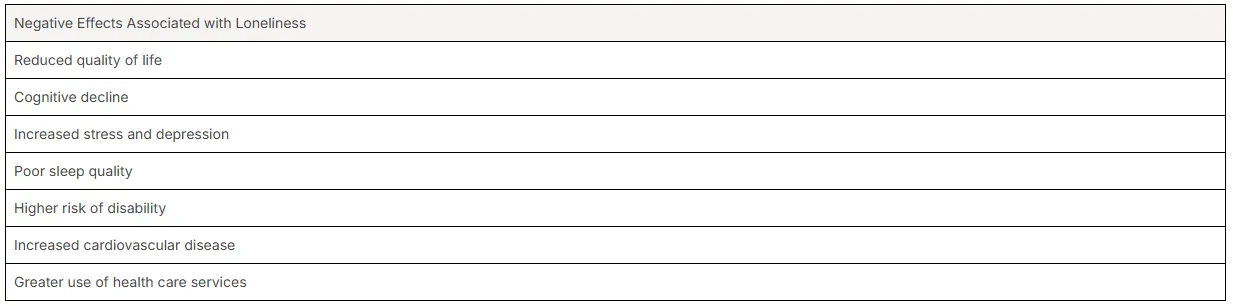
Loneliness is more than just an emotional state; it can have profound effects on a senior's physical health and mental health. Studies consistently show that prolonged loneliness can lead to a range of serious health problems, significantly diminishing an older person's quality of life. The stress of feeling alone can trigger harmful physiological responses in the body.
From increasing the risk of chronic diseases to worsening mental well-being, the impact is comprehensive. We will now look closer at the specific physical, mental, and cognitive consequences associated with social isolation and loneliness.
The connection between loneliness and poor physical health is well-documented. When you feel lonely over a long period, your body can experience a chronic stress response. This can lead to inflammation and a weakened immune system, making you more vulnerable to a variety of health problems and chronic diseases.
Research shows a direct link between loneliness and serious cardiovascular issues. Socially isolated or lonely individuals are at a higher risk of developing high blood pressure and heart disease. They are also more likely to be readmitted to the hospital and have longer stays, indicating a struggle with overall health management.
Key physical health risks include:
The emotional toll of loneliness on older adults is immense and can severely impact their mental health. Feeling unwanted or disconnected can lead to persistent sadness and a loss of self-worth. Without adequate emotional support, these feelings can spiral into more serious mental health issues, such as anxiety and major depression.
Chronic loneliness can also alter how a person perceives the world. They may become more mistrustful of others and feel constantly threatened, which isolates them further. This emotional pain activates the same stress responses in the body as physical pain, creating a vicious cycle that is difficult to break.
Maintaining good mental health relies heavily on social connection and a sense of belonging. When these are absent, it not only affects mood but can also have a negative impact on cognitive function, making it harder to stay sharp and engaged with life.
A growing body of evidence suggests a strong link between loneliness and cognitive decline. Older adults who report feeling lonely or are socially isolated show a higher risk of developing cognitive impairment. Meaningful social interaction stimulates the brain, and a lack of it can have detrimental effects on cognitive function over time.
Studies have found that loneliness is associated with a higher risk of dementia, including Alzheimer’s disease. The exact reasons are still being explored, but it's believed that social engagement helps build cognitive reserve, which is the brain's ability to withstand damage. Without this engagement, the brain may be more vulnerable.
Furthermore, a lack of social activity can make it more challenging for seniors to perform everyday tasks that require cognitive effort, such as managing finances or medications. This decline can reduce independence and further exacerbate feelings of isolation, creating a difficult cycle to escape.
It can be difficult for seniors to admit they have feelings of loneliness, so it's important for family and friends to know what to look for. The signs are not always obvious and can manifest as behavioral warning signs, changes in mood, or even new physical symptoms.
Recognizing these indicators early is key to providing support and preventing more serious mental health issues. By paying attention to changes in a loved one's behavior and health, you can start a conversation and help them reconnect. Let's cover some specific signs you should watch for.
One of the most telling warning signs of loneliness is a change in behavior and emotional expression. A senior who is feeling the effects of isolation may withdraw from activities they once enjoyed or show a general lack of interest in social contacts. They might seem more sad, anxious, or irritable than usual.
You may also notice a loss of a sense of purpose. When someone feels disconnected, they might express feelings of worthlessness or believe they are a burden to others. They might spend increasing amounts of time alone and be hesitant to accept invitations or seek out emotional support.
Keep an eye out for these specific signs:
Loneliness doesn't just affect the mind; it can also manifest as physical symptoms. If you notice a loved one experiencing a decline in their physical health, it could be linked to underlying feelings of isolation. Chronic stress from loneliness can contribute to a state of poor health and make existing conditions worse.
Changes in daily habits are also common physical symptoms. This might include a noticeable change in appetite, leading to weight gain or loss. Sleep patterns can also be disrupted, with the person sleeping much more or less than usual. These changes can impact their functional status and ability to care for themselves.
Watch for these physical indicators:
As a family member, you are in a unique position to spot the early signs of loneliness in a senior loved one. The key is to pay attention to sudden or gradual behavioral changes. Does your relative seem less talkative during phone calls? Have they stopped mentioning friends or activities from their social network?
Observing their interactions and environment can also provide clues. A person struggling with loneliness might have a home that has become cluttered or neglected, or they may repeatedly miss appointments. These subtle shifts in their social relationships and daily routines can be powerful indicators that they need more support.
Here’s what you can look for as a family member:
Fortunately, there are many practical steps and effective interventions that seniors can take to combat loneliness. The goal is to rebuild a sense of purpose and re-engage with the world through meaningful social activity. It often starts with small, manageable changes to one's daily life.
By adopting new routines, exploring local opportunities, and embracing technology, older adults can create new connections and strengthen existing ones. Let's dive into some specific strategies that can make a real difference in overcoming feelings of isolation.
Creating and sticking to daily routines can provide structure and a sense of purpose, which is vital for healthy aging. A predictable schedule can reduce feelings of aimlessness that often accompany loneliness in older age. This doesn't have to be rigid, but having a few planned activities each day can vastly improve one's quality of life.
A routine could be as simple as scheduling a daily walk, setting aside time for a hobby, or planning a phone call with a friend. These activities create something to look forward to and provide a sense of accomplishment. Finding meaningful, productive activities is strongly linked to living a longer, happier life.
Consider incorporating these elements into a daily routine:
For those in the Houston area, there are numerous opportunities to get involved in a social activity and build new social ties. Local senior centers, public libraries, and community organizations offer a wide range of programs specifically for older adults. These can be excellent places to meet new people with similar interests.
Taking a class, joining a book club, or participating in a group exercise program can provide regular social interaction. Many faith-based organizations also host events and activities that welcome new members. Don't be afraid to check out what's available in your neighborhood—you might be surprised by the options.
Here are some ideas for finding local activities in Houston:
In today's world, the use of technology offers powerful ways to maintain social connections and find social support. Video chat platforms, social media, and email can help you stay in touch with family and friends, no matter where they live. These tools are effective interventions for shrinking the distance between loved ones.
If you’re not comfortable with technology, don't worry. Many community centers and local libraries offer classes to help seniors learn how to use these tools. Starting with a simple device like a smart speaker or a tablet can open up a new world of connection and engagement, expanding your social network from the comfort of home.
Effective technology tools for connection include:
The role of family, friends, and caregivers in combating loneliness among older persons cannot be overstated. Providing consistent social support is one of the most powerful tools available. Simply being there for a family member, listening to their concerns, and encouraging social connections can make a world of difference.
While the health care system can address the physical and mental effects, it's the personal relationships that provide the day-to-day comfort and sense of belonging. Let's look at how you can communicate more openly and help your loved ones strengthen their social ties.
Open and honest communication is the foundation of providing emotional support. If you're concerned about a family member in their older age, start a gentle conversation about how they're feeling. Avoid making assumptions and instead ask open-ended questions like, "I've noticed you seem a bit down lately, how have you been feeling?"
Creating a safe space for them to share their feelings without judgment is crucial. Let them know that it's okay to feel lonely and that you're there to listen and help. Sometimes, just having someone to talk to can alleviate the burden of loneliness.
Regularly communicating demonstrates that you care and helps maintain strong social ties. Even a short, daily phone call can reinforce their sense of connection and value. The key is to be consistent and genuine in your efforts to reach out.
Actively helping a senior strengthen their social connections is a practical way to offer social support. You can start by encouraging them to rekindle old social relationships or explore new ones. This might involve helping them brainstorm activities or even offering to go with them the first few times.
Researching local community programs or social activity groups can be a great help. Present them with a few options that align with their interests, whether it's a gardening club, a walking group, or a volunteer opportunity. Your encouragement can provide the push they need to take that first step.
Here are some ways to help:
Many seniors face significant barriers that make forming new relationships difficult. These risk factors can be physical, financial, or social. For example, a chronic illness or mobility issues can physically prevent someone from getting out. Similarly, a low income can limit their ability to afford transportation or pay for classes.
Sensory issues are another major hurdle. Untreated hearing loss can make conversations difficult and embarrassing, leading to social withdrawal. It's important to address these issues directly, such as by encouraging a visit to a doctor or audiologist. Dual sensory impairment is an especially high risk factor for loneliness.
Other barriers can include:
In conclusion, addressing elderly loneliness is vital for promoting the well-being of seniors. By understanding the causes and effects of loneliness, family members and caregivers can take actionable steps to provide support. Encouraging seniors to build daily routines, engage in local activities, and use technology to stay connected can significantly enhance their social interactions. It's essential to foster open communication and help them strengthen their relationships, allowing them to feel valued and supported. If you or a loved one need assistance, don't hesitate to reach out for professional guidance. Together, we can combat loneliness and improve the quality of life for our seniors.
Yes, Houston offers many community programs for older people through local senior centers, libraries, and non-profits. These provide social support and activities to combat loneliness. For personalized guidance and professional help, Riaz Counseling is dedicated to supporting seniors and helping them find the right resources.
Absolutely. At Riaz Counseling in Houston, our team includes skilled mental health professionals who specialize in Cognitive Behavioral Therapy (CBT) for teens and adults. We are committed to improving mental health and quality of life through proven therapeutic approaches tailored to individual needs.
Experts recommend that older people schedule regular social activity, pursue hobbies in a group setting, and volunteer. Using technology like video calls is another effective intervention. The key is to be proactive in building and maintaining social connections to foster a sense of belonging and purpose.
Yes, absolutely. Addressing the effects of loneliness can significantly improve the overall quality of life for older people. Strengthening social connections has been shown to boost both physical health and mental health, reducing the risk of chronic disease, depression, and cognitive decline.
If you feel that you or someone you know, may benefit from therapy, please reach out to our office for a FREE 15 minute consultation: LINK
Stay informed about the latest research in psychology.
.png)
Navigating dual-parent family challenges with practical strategies for balance, communication, and well-being.
.png)
Benefits of dual-parent households in Houston for child development, stability, and well-being
.png)
Heal after a breakup in Houston with self-care strategies, local experiences, and professional counseling support.

Interested in a job with Riaz Counseling? Looking for Supervision for your license? Let’s Connect! We look forward to speaking with you to see if we would be a great fit for each other.
