.webp)
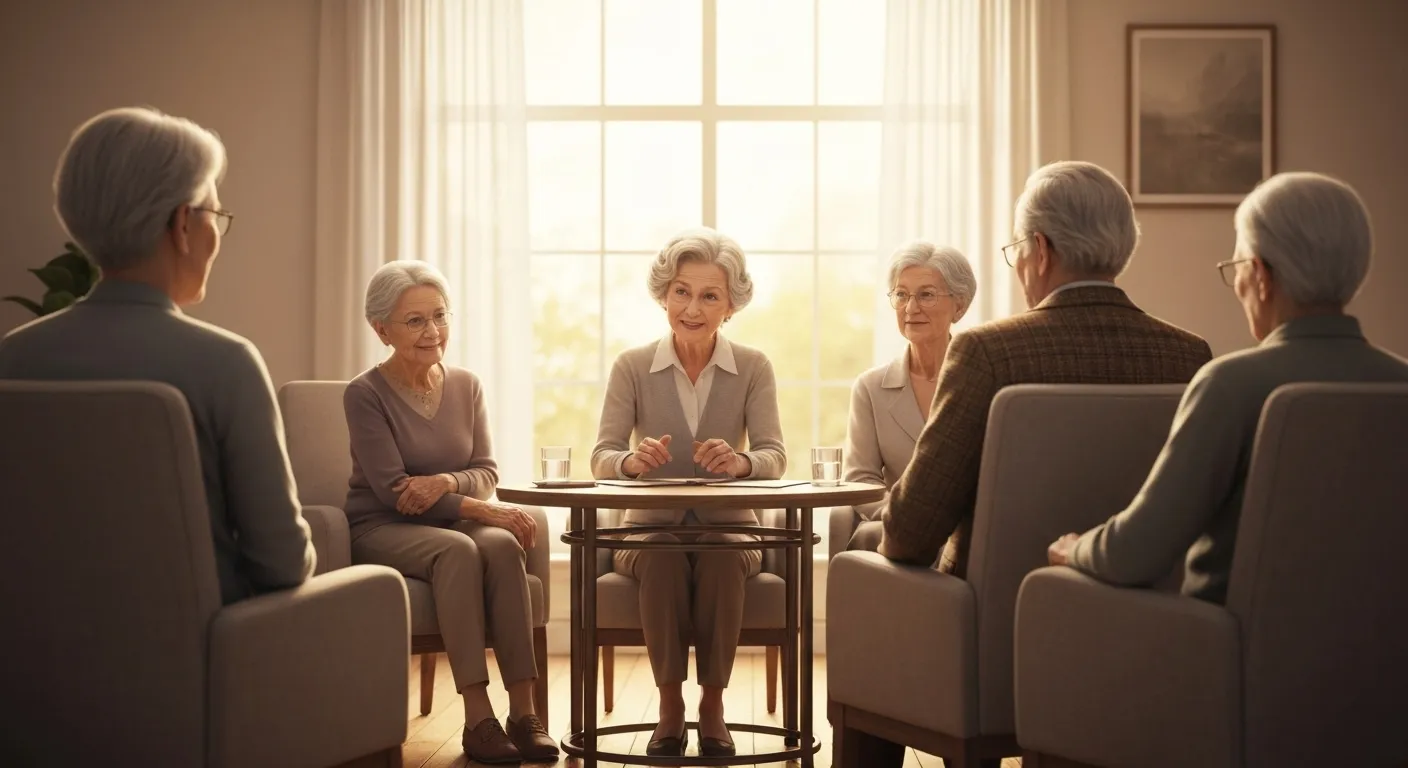
As we enter our golden years, maintaining a high quality of life is more important than ever. For many elderly individuals, overall wellness involves not just physical health but also strong mental and emotional wellbeing. Life changes, loss, and health challenges can take a toll, but you don't have to navigate them alone. Therapy offers a powerful pathway to address these hurdles, helping you or your loved one embrace this stage of life with resilience, purpose, and a positive outlook.
Wellness in later life is a combination of physical, mental, and social health. For older people, these elements are deeply interconnected; poor physical health can lead to mental health issues, and vice versa. Addressing mental wellness is key to preserving independence and enhancing the overall quality of life.
Seniors commonly face challenges like grief from losing a loved one, chronic illness, and loneliness, which can trigger depression and anxiety. Therapy provides a safe space to process these experiences, develop coping strategies, and find renewed meaning. Let's explore the components of healthy aging and the specific challenges that older adults face.
Healthy aging is about more than just avoiding disease; it’s about adapting to the physical and mental changes that come with later life. As we grow older, we may experience shifts in our functional abilities, social circles, and daily routines. Embracing healthy aging means finding ways to navigate these changes while maintaining a sense of purpose and dignity.
This process involves a proactive approach to mental health. Instead of viewing aging as a series of losses, it can be seen as an opportunity to explore new directions and accept new limitations with grace. This mindset has a profound impact on both mental and physical health.
When individuals feel equipped to handle the challenges of aging, their overall wellbeing improves. They are better able to manage stress, stay engaged in their communities, and maintain their independence for longer, contributing to a more fulfilling later life.
Achieving wellness in your senior years involves nurturing several key areas of your life. It is a holistic concept that goes beyond the absence of illness and focuses on creating a balanced and satisfying lifestyle. Each component contributes to a greater sense of wellbeing.
A comprehensive approach to wellness for seniors considers the mind, body, and social connections. Addressing each of these areas helps build a strong foundation for health and happiness. Have you considered how these elements play a role in your or your loved one's life?
The core components include:
The journey of aging often comes with unique obstacles that can impact wellness. Many older adults find themselves adjusting to a new reality that includes chronic illness, which can limit mobility and independence. These physical changes are frequently accompanied by emotional struggles.
Another significant challenge is the risk of social isolation. The loss of a spouse, friends, or a regular work routine can lead to feelings of loneliness and disconnection. Furthermore, some individuals may experience cognitive decline, which adds another layer of difficulty to daily life and can be distressing for both the person and their family.
These factors often contribute to mental health issues like depression and anxiety. According to one source, over 70% of people aged 65 and over have experienced bereavement in the last few years, a major risk factor for mental health disorders. Recognizing and addressing these challenges is the first step toward improving an older adult's quality of life. [Source: https://pubmed.ncbi.nlm.nih.gov/17413138/]
Therapy designed for elderly patients, often called geriatric therapy, is a specialized form of mental health care. This type of counseling focuses on the unique emotional and psychological needs that arise in later life, helping seniors navigate everything from grief to changes in physical health.
It differs from regular therapy by tailoring its approach to address age-specific concerns. Geriatric therapy recognizes that older adults face distinct life transitions and health challenges. The following sections will explain what this counseling entails and how it is specifically adapted for elderly patients.
Counseling for older individuals is a supportive mental health treatment designed to help them manage the emotional complexities of aging. It provides a safe, confidential space to discuss feelings, fears, and frustrations that are common during major life transitions.
For example, many seniors grapple with the death of a spouse, friends, or family members. Others may be adjusting to retirement, a new living situation, or a chronic health diagnosis. Counseling helps process these changes, offering strategies to cope with grief, reduce anxiety, and combat feelings of loneliness.
Ultimately, the goal is to enhance mental and emotional wellbeing. A therapist can provide tools to navigate these storms, just as they did for Ms. Kim, a 71-year-old who found professional grief therapy essential after losing her husband. For many older individuals, this support is a vital step toward reclaiming their happiness.
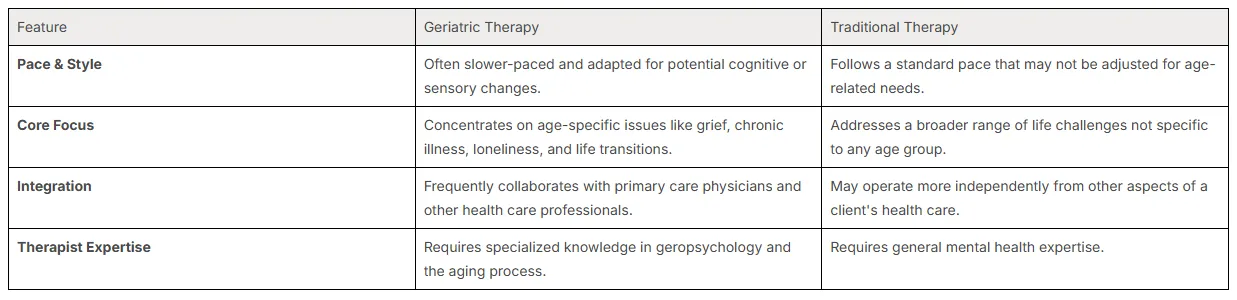
While the goal of all therapy is to improve mental health, geriatric therapy is distinct from traditional mental health treatment. Its methods are specifically modified to meet the needs of elderly patients, who may have different cognitive, physical, and social circumstances than younger adults.
Research shows that therapy for older people is more successful when the therapist has special training in working with this age group. This specialization ensures the provider understands the nuances of aging, from physiological changes to common psychosocial stressors. For example, the pace of therapy may be slower to accommodate changes in cognitive function.
This tailored approach makes a significant difference for elderly and primary care patients. Here are some key distinctions:
Mental health professionals who specialize in elder care are uniquely equipped to support elderly people. These therapists possess a deep understanding of the aging process, including the physical, emotional, and social changes that can affect a person's mental wellbeing. Their expertise goes beyond general counseling.
These specialists are trained to recognize how symptoms of mental health conditions might present differently in older adults. They also understand the complex interplay between physical and mental health, which is critical when working with individuals who may have chronic health conditions or take multiple medications.
By focusing on the specific needs of this population, these therapists provide more effective and compassionate health care. They can help older adults and their families navigate the health care system, connect with resources, and develop personalized strategies to enhance their quality of life, ensuring they receive the best possible support.
Not all therapies are created equal, and some have been proven particularly effective for older people. Certain approaches are well-suited to address common mental disorders like depression and anxiety in this age group. These evidence-based methods offer practical tools to improve mental health.
Cognitive behavioral therapy is one of the most popular types, but other approaches like interpersonal and acceptance-based therapies also show great promise. Let's look at a few of the most effective types of mental health care available for seniors.
Cognitive Behavioral Therapy (CBT) is a highly effective treatment for depressed older adults and those struggling with an anxiety disorder. It is often a short-term therapy that focuses on identifying and changing negative thought patterns and behaviors that contribute to mental health challenges.
For seniors, CBT provides practical, actionable skills to manage distressing emotions. For instance, a therapist might help an individual challenge thoughts of worthlessness tied to retirement or physical limitations. By reframing these thoughts, the person can develop a more positive and empowering perspective.
As a gold standard in psychotherapy, CBT helps seniors make significant improvements in their emotional wellbeing. Its structured, goal-oriented approach is ideal for older adults seeking to regain a sense of control over their mental health and improve their day-to-day lives.
Acceptance and Commitment Therapy (ACT) is another valuable approach for elderly people facing mental health issues. This therapy helps individuals accept what is outside of their control while committing to actions that enrich their lives. It's about learning to live well despite life's difficulties.
For seniors, this can be particularly powerful when dealing with chronic pain, loss, or physical limitations. Instead of fighting against these realities, ACT teaches mindfulness skills to reduce their impact. It helps you focus your energy on what truly matters to you, whether it's spending time with family, pursuing a hobby, or contributing to your community.
The goal is not to eliminate difficult feelings but to learn how to coexist with them without letting them rule your life. By helping elderly people connect with their values and take meaningful action, ACT promotes resilience and a greater sense of emotional stability.
Interpersonal Psychotherapy (IPT) is an effective form of mental health care that focuses on relationships and social connections. It is particularly helpful for seniors experiencing depressive disorders triggered by grief, social isolation, or conflicts in their relationships. The therapy operates on the idea that our moods and our relationships are deeply intertwined.
During IPT sessions, a therapist helps an individual identify and resolve interpersonal problems. For someone grieving the loss of a spouse, therapy might focus on building new social connections. For another person dealing with family conflict, the goal might be to improve communication skills.
By strengthening social bonds and improving how seniors interact with others, IPT helps alleviate depressive symptoms. It empowers older adults to build stronger, more supportive relationships, which are essential for emotional wellbeing in this phase of life.
Effective mental health care for older adults recognizes that their diverse needs require flexible and personalized approaches. A one-size-fits-all model is rarely successful. Instead, counselors often use tailored strategies, including holistic models and family therapy, to provide comprehensive support.
For seniors dealing with depression, these tailored options are vital for effective treatment. By integrating different therapeutic elements, professionals can create a plan that addresses the whole person. The following sections explore some of these customized approaches.
Holistic care models for senior mental health are based on the understanding that wellbeing is influenced by interactive physiological, psychological, and social factors. Rather than just treating symptoms, this approach addresses the whole person to promote overall wellness.
These models often involve a multidisciplinary team of professionals, including doctors, nurses, social workers, and psychologists. For example, collaborative care programs like PEARLS (Program to Encourage Active, Rewarding Lives of Seniors) combine problem-solving treatment with social and physical activity to help older individuals manage depression.
By integrating various aspects of care, holistic models ensure that the complex needs of older individuals are met. This comprehensive approach has shown promising outcomes in improving both mental health and quality of life.
Integrating family therapy into elder care is a powerful way to provide comprehensive mental health care. This approach involves family members in the therapeutic process to address and resolve issues that affect the entire family unit. It is especially helpful when seniors live with or rely on relatives for support.
Family therapy creates a space for open communication, helping everyone understand the challenges the older adult is facing. It can reduce caregiving stress, resolve conflicts, and strengthen bonds, creating a more supportive home environment.
The benefits of involving family members are clear:
To ensure high quality of care, mental health professionals must recognize and respect the cultural values and diversity of their clients. An individual's background, beliefs, and life experiences shape their understanding of mental health and their comfort with seeking help.
For example, the story of Ms. Kim, who emigrated from Korea, highlights the importance of culturally sensitive support. Her caseworker provided information that resonated with her background, which made her more willing to try grief therapy. A therapist who understands different cultural perspectives on family, emotion, and authority can build trust more effectively.
Mental health professionals who are trained in cultural competency can tailor their approach to be more inclusive and respectful. This awareness is not just an add-on; it is fundamental to providing effective therapy that truly meets the needs of every individual, regardless of their background.
As people age, they face a unique set of stressors that can lead to common mental health conditions. While often resilient, older adults are not immune to mental illness. Issues like depression, anxiety, grief, and adjustment to chronic illness are particularly prevalent mental health disorders in this population.
Understanding these challenges is the first step toward providing meaningful support. Therapy offers a lifeline by giving seniors the tools to manage these conditions, process difficult emotions, and improve their overall quality of life. Let’s explore some of these common challenges in more detail.
While the rate of major depression among seniors living in the community is relatively low, depressive symptoms are widespread. These symptoms, along with those of an anxiety disorder, often go hand-in-hand with the physical health problems and life changes common in later life.
For many depressed older adults, feelings of sadness, stress, or hopelessness are a valid response to circumstances like losing a loved one or dealing with a chronic illness. However, these feelings don't have to be managed alone. Mental health treatment can provide effective strategies for coping.
Therapy helps seniors address the root causes of their anxiety and depression. Whether through talk therapy, CBT, or other methods, treatment can reduce symptoms, improve mood, and restore a sense of wellbeing, proving that it's never too late to seek help.
Loss and grief are profound emotional challenges that are nearly universal in later life. As we age, the likelihood of losing a spouse, close friends, and family members increases significantly. Older adults tend to grieve differently than younger people, and for some, the response can be a risk factor for depression and other mental health issues.
Navigating the storm of bereavement can feel overwhelming, especially if an individual's support system is also shrinking. The sadness and loneliness can feel all-consuming, making it difficult to find a path forward.
This is where mental health care can be incredibly beneficial. Grief counseling provides a structured, supportive environment to process feelings of loss. A therapist can help an individual find healthy ways to remember their loved one while also rebuilding a life with new meaning and purpose.
Adjusting to a chronic illness or new physical limitations is one of the most difficult transitions an older adult can face. The loss of independence, constant pain, or inability to perform once-simple tasks can take a heavy toll on mental health, often leading to depression and anxiety.
The connection between physical and mental health is undeniable. Research shows a strong relationship between functional disability and depressive symptoms. It’s not just the illness itself but the impact it has on daily life that creates emotional distress.
Health care professionals recognize the need for mental health support in these situations. Therapy helps individuals grieve the loss of their former abilities, accept their new reality, and explore different ways to find joy and purpose. It provides coping strategies to manage the emotional burden of chronic illness, promoting resilience and a better quality of life.
Recognizing when elderly people may need help for mental health issues is key to getting them support. Sometimes, the signs are subtle, but behavioral changes can indicate an underlying struggle. Family and friends are often the first to notice that something is amiss.
Catching these signs early allows for timely intervention, which can prevent problems from worsening and significantly improve an individual's wellbeing. The following sections describe some common indicators that an older adult could benefit from speaking with a therapist.
One of the most common signs of mental health issues in older people is social withdrawal. If your loved one starts avoiding activities they once enjoyed or pulls away from friends and family, it could be a red flag. This retreat into social isolation is often a symptom of depression or anxiety.
Changes in mood are another key indicator. While everyone has good and bad days, persistent irritability, sadness, or a flat emotional state could signal underlying mood disorders. You might notice they seem more pessimistic, hopeless, or easily agitated than usual.
These shifts are not a normal part of aging. They are often signs of a treatable mental health condition. Paying attention to these changes and encouraging a conversation about seeking help can make a profound difference in the life of older people.
A noticeable loss of interest in daily activities, a symptom known as anhedonia, is a classic sign of depression and other mental health conditions. For many elderly patients, this can manifest as no longer caring about hobbies, social events, or even personal hygiene.
You might observe that they've stopped gardening, reading, or meeting with friends. This disinterest can severely impact their quality of life, leading to a cycle of inactivity and further emotional decline. It's more than just a passing phase of boredom; it's a signal that something is wrong.
When an older adult seems to have lost their spark for life, it's important to consider that a mental health condition could be the cause. Encouraging them to talk to a professional can help them rediscover joy and re-engage with the world around them.
Significant cognitive or behavioral changes can also indicate that an older adult may be struggling with mental health disorders. While some mild cognitive decline can be a part of aging, abrupt or severe changes in memory, decision-making, or concentration warrant attention.
You may also notice behavioral changes, such as shifts in sleep patterns (sleeping too much or too little), changes in appetite, or increased agitation. These are often physical manifestations of emotional distress from conditions like depression or anxiety.
At this stage of life, it's crucial not to dismiss these changes as inevitable. A therapist can help determine if they are related to a treatable mental health disorder. Addressing these issues can help improve cognitive function and overall wellbeing.
Therapy offers a wealth of benefits that can dramatically improve the quality of life for elderly patients. Through professional mental health care, seniors can gain coping skills, reduce symptoms of depression and anxiety, and find a renewed sense of purpose. This support is vital for maintaining emotional wellbeing and independence.
Counseling empowers older adults to face life's challenges with resilience. By enhancing their mental health, promoting independence, and strengthening social ties, therapy helps seniors lead more satisfying and fulfilling lives. Let's explore these benefits in more detail.
One of the primary goals of therapy for older adults is to enhance mental and emotional wellbeing. Life in the senior years can bring a unique set of stressors, from chronic pain to the loss of loved ones. Therapy provides a safe, non-judgmental space to process these experiences and the difficult emotions that come with them.
A therapist can teach practical coping strategies to manage anxiety, sadness, and stress. By working through these feelings, older adults can prevent them from escalating into more serious mental health conditions. This proactive approach helps maintain emotional balance.
Ultimately, therapy empowers seniors to find new meaning and purpose. It can help them reframe their perspective on aging, focusing on strengths and opportunities rather than limitations. This shift in mindset is fundamental to achieving lasting emotional wellbeing.
Therapy plays a crucial role in promoting independence and resilience among older adults. By addressing mental health issues, counseling helps seniors maintain the cognitive and emotional functions necessary for self-sufficiency. Better mental health allows them to manage daily tasks, make sound decisions, and stay actively engaged in their own care.
Resilience—the ability to bounce back from adversity—is a key outcome of effective therapy. Seniors learn to adapt to life's challenges, whether it's a health setback or a personal loss. This inner strength helps them navigate difficulties without falling into despair.
Therapy builds independence and resilience by:
Loneliness and isolation are major threats to the wellbeing of an older adult, but therapy can be a powerful antidote. By addressing the anxiety or depression that may cause someone to withdraw, counseling can help rebuild the confidence needed to seek out social connections.
Therapists can also guide seniors toward resources like community centers or support groups. These settings provide opportunities to meet peers who share similar experiences, fostering a sense of belonging and mutual understanding. Sharing stories and advice with others can be incredibly validating and uplifting.
Strengthening social connections is vital for mental health. Having a robust support system helps an older adult feel valued and understood. Therapy can be the first step in breaking the cycle of isolation and reconnecting with a vibrant, supportive community.
While mental health counseling is vital, physical and occupational therapy also play a significant part in a senior's overall wellness. These therapies focus on improving mobility, function, and independence, which directly impacts quality of life. When seniors feel physically capable, their mental and emotional health often improves as well.
Physical therapy helps maintain strength and balance, while occupational therapy adapts daily tasks to an individual's abilities. Together, they empower seniors to live more safely and fully, as we'll explore below.
Physical therapy is essential for helping older individuals maintain their mobility and independence. As people age, they often experience a decline in muscle strength, balance, and flexibility, which can increase the risk of falls and make it difficult to move around. Physical therapy directly addresses these issues with targeted exercises and treatments.
A physical therapist creates a personalized plan to help a senior regain or maintain physical function. This could involve exercises to strengthen leg muscles, balance training to prevent falls, or techniques to manage pain from conditions like arthritis. The goal is to keep older individuals active and safe.
The benefits of physical therapy for mobility are numerous:
Occupational therapy is focused on helping an older adult perform meaningful daily activities with greater ease and independence. An occupational therapist evaluates how a person manages tasks like dressing, cooking, and bathing, and then develops strategies to overcome any challenges.
This might involve teaching new ways to perform a task, recommending adaptive equipment like grab bars or specialized utensils, or suggesting modifications to the home environment to improve safety and accessibility. The focus is always on practical solutions that make a real difference in a person's life.
By enabling an older adult to continue participating in the daily activities they value, occupational therapy significantly improves their quality of life. It fosters a sense of competence and control, which is crucial for maintaining dignity and emotional wellbeing.
The most effective approach to senior wellness involves integrated care that addresses both physical and mental health. The mind and body are inextricably linked; physical limitations can lead to depression, while poor mental health can make managing physical conditions more difficult.
An integrated care model brings together mental health counselors, physical therapists, and occupational therapists to work as a team. This collaborative approach ensures that all aspects of a senior's health are considered. For example, a physical therapist can help a senior regain mobility after a fall, while a counselor helps them overcome the fear of falling again.
By treating the whole person, this holistic strategy leads to a better overall quality of life. It helps seniors not only recover from setbacks but also build the physical and mental resilience needed to thrive.
In today's digital world, online therapy has emerged as a wonderfully accessible option for elderly people, including those in Houston, TX. For seniors dealing with depression or anxiety, online counseling removes common barriers like transportation and mobility issues, allowing them to receive support from the comfort of home.
This form of therapy offers privacy, convenience, and access to a wide range of professionals. It's a modern solution that can significantly benefit older adults who might otherwise struggle to get the mental health care they need. Let's explore how it works.
Online therapy makes mental health care simple and accessible for older individuals. The process typically begins with completing a secure online survey to identify your needs. Based on your answers, you are matched with a licensed therapist who is a good fit for you.
Sessions are conducted remotely using a computer, tablet, or smartphone. Most commonly, these are live video meetings, but audio-only calls are also an option for those who prefer them. The technology is designed to be user-friendly, and many platforms offer tech support if needed.
One of the great features of online therapy is the potential for 24/7 support. Some platforms allow you to send messages to your provider between sessions, ensuring you have a lifeline when you need it most. All communications and sensitive information are kept private and secure, just like in-person therapy.
With many options available in the United States, choosing the right online therapy platform can feel overwhelming. To find the best fit, it's important to consider a few key factors that will impact your experience and the quality of the mental health services you receive.
Before committing, take the time to research different platforms. Asking the right questions will help you find a service that is affordable, effective, and secure. Your comfort and privacy should always be a top priority.
Here are some things to look for when choosing an online therapy platform:
Online therapy offers remarkable benefits in privacy, comfort, and accessibility, making mental health care easier to obtain than ever before. For many seniors, discussing personal matters from the familiar comfort of their own home feels much safer and less intimidating than going to an office.
Privacy is a top priority. Virtual counseling platforms must be HIPAA-compliant, meaning they follow the same strict patient data protection laws as in-person therapy. This ensures that your conversations and personal information remain confidential.
Perhaps the greatest benefit is accessibility. Online therapy eliminates barriers like transportation, mobility limitations, and geographic distance from providers. This is a game-changer for seniors in rural areas or those who find it difficult to leave home, ensuring everyone has the opportunity to receive quality mental health care.
While online therapy is a great option, some people prefer face-to-face sessions. Finding qualified mental health professionals who specialize in treating elderly patients locally is crucial for ensuring high quality of care. It's important to look for therapists with the right certifications and experience in geriatrics.
Your primary care doctor, local senior centers, and community health organizations are excellent starting points for referrals. The following sections will provide guidance on what qualifications to look for and where to find these skilled professionals.
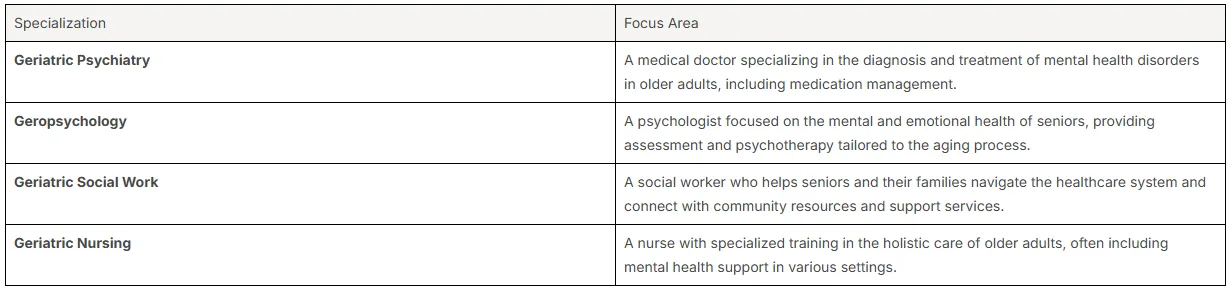
When seeking a therapist for elderly care, it’s important to look for specific certifications and specializations. A professional with training in geriatrics will have a better understanding of the unique challenges and needs of older adults, leading to more effective treatment.
These mental health professionals come from various disciplines, each bringing a different type of expertise to the table. For example, a geriatric psychiatrist can manage medication, while a geropsychologist focuses on psychotherapy.
Finding a provider with one of these specializations can greatly enhance the quality of care.
For those in Houston, Texas, community mental health centers are an excellent resource for finding affordable and accessible mental health services. These centers are often funded by the state or local government and are dedicated to serving the local population, including older people.
These facilities typically offer a range of services, from individual and group counseling to case management and psychiatric care. They are often staffed by multidisciplinary teams who are experienced in working with diverse populations and addressing a wide variety of mental health concerns.
Community mental health centers are a great starting point if you are unsure where to turn. They can provide an initial assessment and connect you or your loved one with the appropriate services, often on a sliding scale based on income, ensuring that cost is not a barrier to care.
Finding the right therapist is about more than just credentials; it's about finding a good fit. The relationship between elderly patients and their mental health professionals is built on trust and comfort, which is essential for high quality of care.
Just as with any relationship, it's important to feel a "click." The therapist should be someone the older adult feels comfortable opening up to. It may take a few tries to find the right person, and that's perfectly okay.
When evaluating a therapist, consider the following:
Beyond individual therapy, a wide array of mental health resources is available to support elderly people. These include government support programs that can help cover costs, as well as community-based support groups that provide peer connection and understanding.
Tapping into these resources can create a comprehensive support network for older adults and their families. Knowing where to look for help is the first step. Let’s explore some of the assistance programs and peer networks available.
Accessing mental health resources can sometimes be a financial challenge, but government programs and nonprofit assistance can help. Programs like Medicare and Medicaid often provide coverage for mental health services, including both in-person and online therapy.
Medicare Part B, for example, helps cover outpatient mental health services such as counseling and therapy sessions. Some Medicare Advantage plans may offer even broader telehealth benefits. It's always a good idea to check with your specific plan to understand what's covered.
In addition to government support, many nonprofit organizations are dedicated to senior wellness. These groups may offer free or low-cost counseling, support groups, and educational workshops. They are invaluable mental health resources for those on a fixed income.
Support groups and peer networks offer a unique and powerful form of mental health support. These groups bring together individuals who are facing similar challenges, creating a safe space to share experiences, offer advice, and provide mutual encouragement.
For seniors dealing with grief, a chronic illness, or caregiving stress, connecting with others who truly understand can be incredibly validating. It reduces feelings of isolation and reminds them that they are not alone in their struggles. These groups complement formal mental health services by providing ongoing social and emotional support.
Peer networks and support groups can:
As a family member, you play a vital role in providing mental health support for your aging loved one. Your care and encouragement can make a significant difference as they navigate emotional challenges. However, it's important to approach the situation with compassion and patience.
Start by creating an environment where they feel safe to talk about their feelings without fear of judgment. Listen actively and validate their emotions. Sometimes, just knowing someone is there to listen is the most important form of support you can offer.
Here are a few practical tips for family members:
In conclusion, prioritizing mental health is essential for the wellness of elderly individuals. As we’ve explored, therapy offers various approaches tailored to meet the unique needs of seniors, helping them navigate challenges like anxiety, grief, and chronic illness. Whether it’s through cognitive behavioral therapy or integrating family dynamics into counseling, these interventions can significantly enhance emotional wellbeing, promote independence, and strengthen social connections. With the convenience of online therapy and resources available in Houston, finding the right support is more accessible than ever. If you’re interested in exploring therapeutic options for yourself or a loved one, reach out to our team at Riaz Counseling for guidance tailored to your needs.
Seniors dealing with depression can explore various therapy options, including cognitive-behavioral therapy (CBT), group therapy, and mindfulness-based approaches. These therapies provide emotional support, coping strategies, and a safe environment for sharing experiences. Riaz Counseling is always here to help.
Counseling improves the quality of life for seniors by providing coping skills to manage stress, anxiety, and grief. This mental health care helps an older adult maintain independence, strengthen social connections, and find new purpose. It empowers them to navigate challenges and enhance their emotional wellbeing.
Riaz Counseling is a trusted option in Houston, TX for elderly individuals seeking therapy services. They offer specialized care tailored to seniors' needs, ensuring a supportive environment. To find out more, visit their website or contact them directly for personalized assistance.
Therapy helps seniors cultivate a positive outlook by teaching them to challenge negative thought patterns and focus on their strengths. This form of mental health care provides tools to find meaning and joy in daily life, which is essential for emotional wellbeing and resilience in the face of challenges.
Setting realistic wellness goals is a key part of mental health care for seniors. A mental health professional can help you or your loved one identify achievable goals, such as taking a short daily walk or reconnecting with a friend, to gradually improve overall quality of life and wellbeing.
If you feel that you or someone you know, may benefit from therapy, please reach out to our office for a FREE 15 minute consultation: LINK
Stay informed about the latest research in psychology.
.png)
Navigating dual-parent family challenges with practical strategies for balance, communication, and well-being.
.png)
Benefits of dual-parent households in Houston for child development, stability, and well-being
.png)
Heal after a breakup in Houston with self-care strategies, local experiences, and professional counseling support.

Interested in a job with Riaz Counseling? Looking for Supervision for your license? Let’s Connect! We look forward to speaking with you to see if we would be a great fit for each other.
