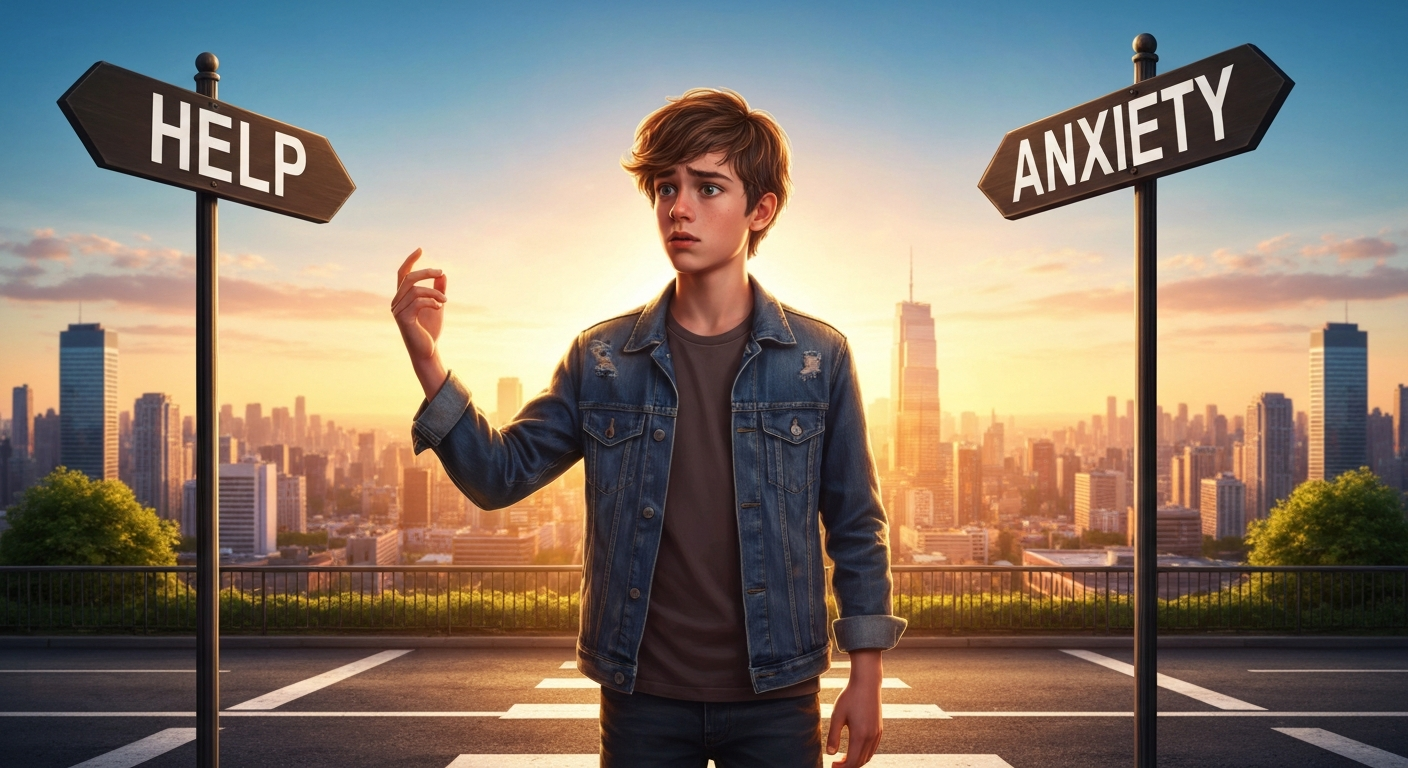
Adolescence is a season of profound change, self-discovery, and social expansion. In a vibrant, fast-paced city like Houston, Texas, the pressure on teenagers to fit in, perform academically, and maintain a curated social media presence can be overwhelming. While it is natural for teens to feel occasional nerves before a big presentation at school or a first date, for many, these feelings escalate into something far more restrictive: Social Anxiety Disorder.
Social anxiety is more than just "shyness." It is an intense, persistent fear of being watched and judged by others. In the sprawling landscape of Houston, from the competitive hallways of HISD and private academies to the crowded social hubs of the Galleria, teens with social anxiety often feel like they are living under a microscope.
At Riaz Counseling, we understand the unique pressures facing Houston’s youth. We believe that no teenager should have to navigate these formative years feeling paralyzed by fear. This guide is designed to help parents and teens recognize the signs of social anxiety, understand its roots, and discover evidence-based paths to healing and confidence.
Social anxiety disorder, also called social phobia, is characterized by a persistent and intense fear of being judged or scrutinized in social settings. During the adolescent years, when social acceptance feels paramount, the symptoms of social anxiety disorder can become particularly pronounced, causing significant distress.
This condition is far more than just feeling shy. It involves overwhelming self-consciousness and fear in everyday interactions. Next, we will explore the specific signs to watch for and clarify the key differences between shyness and a clinical disorder.
Spotting the signs of social anxiety is the first step in helping your teen. These symptoms can be emotional and physical, often appearing before or during social interactions. A teen might worry for weeks about an upcoming event or feel intense fear about doing something in front of others.
The anxiety can manifest in very real, physical ways. These reactions can make social situations feel unbearable, reinforcing a teen’s desire to avoid them altogether. You may notice your teen experiencing:
These social anxiety symptoms can make it hard for a teenager to make friends, participate in class, or even leave the house. They may criticize themselves harshly after social interactions, replaying conversations and focusing on perceived mistakes. This cycle of fear and avoidance is a key indicator that your teen may need support.
Many people use the terms "shyness" and "social anxiety" interchangeably, but they are not the same. Shyness is a personality trait. While someone with extreme shyness might feel uncomfortable in new social situations, they typically don't experience the intense, debilitating fear associated with social anxiety disorder.
Social anxiety disorder is a mental health condition that causes significant impairment. The symptoms of anxiety are so severe that they interfere with a person's daily life, relationships, and responsibilities. A shy person may eventually warm up in a social setting, whereas a person with this anxiety disorder may experience overwhelming fear and a powerful urge to escape.
The core difference lies in the intensity and impact. Social anxiety involves a persistent fear of being judged, humiliated, or embarrassing oneself. This fear is often out of proportion to the actual situation and can lead to complete avoidance of social events, which is not a typical characteristic of shyness alone.
Social anxiety can cast a long shadow over a teenager’s daily life, affecting nearly every aspect of their world. The persistent fear of social settings often leads to social avoidance, where a teen might turn down invitations to parties, avoid crowded places, or eat lunch alone to prevent potential judgment.
This avoidance significantly impacts their quality of life. Friendships can be difficult to form and maintain, leading to profound social isolation. Academically, a teen might be afraid to ask questions in class, give presentations, or participate in group projects, which can cause their grades to suffer.
Managing this at school can involve starting with small steps, like practicing conversations with a trusted friend or teacher. The goal is to gradually face feared situations, but the condition often requires professional guidance to overcome the powerful cycle of fear and avoidance that defines it.
There isn't a single trigger for this mental health disorder; instead, its causes are often a complex interplay of different risk factors. During the adolescent years, when the brain is still developing and social pressures are high, teens can be particularly vulnerable.
Genetics, brain chemistry, and life experiences can all contribute to the development of social anxiety. Understanding these contributors can provide valuable insight into why your teen might be struggling. We will now look closer at the biological and environmental elements, as well as the roles of family and school.
A combination of nature and nurture often contributes to this mental health condition. Biological factors can include inherited traits, meaning if a close family member has an anxiety disorder, a teen may be more likely to develop one. Certain parts of the brain, like the amygdala, which controls the fear response, may be overactive in individuals with social anxiety, heightening their symptoms of anxiety in social situations.
Environmental factors also play a significant role. Learned behavior is a powerful influence; for example, a teen with overprotective parents may not have had enough opportunities to develop social skills. Negative experiences like long-term stress, trauma, or being bullied can also trigger or worsen social anxiety. This shows how a person's surroundings can shape their mental health.
Biological Factors: Includes a genetic predisposition from family history and brain structures like an overactive amygdala that heightens the fear response.
Environmental Factors: Involves learned behaviors from parenting styles and impactful life experiences such as bullying, trauma, or prolonged stress.
Family dynamics can unintentionally contribute to social anxiety disorder during the adolescent years. Research suggests a link between overprotective parenting styles and the development of this condition. When parents try to shield their child from every potential discomfort, the child may not learn the social skills needed to navigate social relationships independently.
Parents in Houston can help their teenagers by fostering a supportive yet encouraging environment. Instead of solving every social problem for them, you can guide them in finding their own solutions. Encourage them to take small, manageable social risks while reassuring them that you are there for support.
If family dynamics seem to be a major factor, seeking guidance from a clinical social worker or family therapist can be incredibly beneficial. A professional can help identify unhelpful patterns and provide strategies to create a home environment that builds confidence rather than anxiety.
The school environment is a major hub of social situations, making it a challenging place for teens with social phobia. The fear of being judged by peers is a powerful driver of anxiety, and negative experiences like bullying can have a lasting impact on a teen's confidence and willingness to engage with others.
Teachers can offer crucial support by creating a more predictable and less intimidating classroom. This could mean giving a student advance notice before calling on them or allowing alternative ways to present information. Understanding that a quiet student may be struggling with anxiety rather than disinterest is key. Friends can also help by being patient, inclusive, and offering gentle encouragement to join in.
Ultimately, school is where teens practice their social skills. When this environment feels threatening, it can hinder their development. Supportive peer relationships and understanding teachers can make a world of difference in helping a teen feel safer and more capable.
The functional impairment caused by social anxiety disorder extends deeply into a teen's academic and social performance. The powerful urge toward social avoidance means teens may miss out on key learning opportunities and chances to build meaningful connections with their peers, creating a cycle of isolation and falling behind.
This anxiety isn't just a feeling; it actively disrupts a teen's ability to function. In the following sections, we'll examine the specific effects in classroom settings, extracurriculars, and the complex world of digital communication.
The classroom can feel like a stage for a teen with social anxiety, where every action is under a spotlight. This fear can severely hinder their academic progress and participation. Simple social interactions that others take for granted can trigger overwhelming symptoms of anxiety.
This directly affects their learning. A teen might be too afraid to ask a teacher for help when they don't understand a concept, or they may avoid group projects to prevent having to collaborate with others. Presenting in front of their peers can feel like an impossible task. Common classroom challenges include:
Teachers can provide support by offering alternative assessment methods or creating smaller, less intimidating group settings. Professional help, such as social skills training, can also equip teens with the tools they need to navigate the classroom with more confidence.
Extracurricular activities are meant to be a fun way for teens to explore interests and build friendships, but for someone with social anxiety, they represent yet another stressful social event. The pressure to perform on a sports team, join a debate club, or even attend a school dance can trigger intense social anxiety symptoms.
This often leads to social avoidance, causing teens to miss out on valuable experiences that contribute to personal growth and development. They might make excuses to skip practices or club meetings, further isolating themselves from their peers. This avoidance reinforces the idea that social situations are dangerous and unmanageable.
One way for teenagers to manage this is to start small. Joining a low-pressure club based on a strong personal interest, like a book or art club, might feel more manageable than a large, competitive team. The goal is to gradually expand their comfort zone rather than avoiding these activities entirely.
Social media presents a complex paradox for teens with social anxiety. On one hand, it can feel like a safe space, allowing for social interactions without the pressure of face-to-face communication. A teen might find it easier to express themselves behind a screen.
However, social media can also be a breeding ground for negative thoughts. The curated perfection seen online can heighten feelings of inadequacy and fear of judgment. Seeing friends at a party they were too anxious to attend can amplify feelings of isolation and sadness.
Friends can offer support by moving digital conversations into the real world, like suggesting a one-on-one hangout. They can also be mindful of what they post and check in with their friend privately instead of through public comments. For some, positive online communities or even online group therapy can be a bridge to building confidence for real-world interactions.
Recognizing that your teen has a mental health disorder is the first step; the next is finding the right professional help. Fortunately, social anxiety is a very treatable condition. With a proper treatment plan involving counseling and proven methods like cognitive behavioral therapy, your teen can learn to manage their anxiety and thrive.
In Houston, there are many resources available to support your family. The following sections will guide you on when to consider counseling, explore local options, and understand the effective therapeutic approaches used to treat social anxiety.
Knowing when to move from parental support to professional counseling is a common question. If your teen's anxiety is significantly disrupting their daily life, affecting their grades, preventing them from making friends, or causing them to avoid school it's time to seek help.
Signs of severe social anxiety should not be ignored. This includes panic attacks in social situations or a complete refusal to participate in age-appropriate activities. It's also important to watch for co-occurring issues, as the isolation caused by social anxiety can sometimes lead to symptoms of depression.
Individual therapy provides a safe, confidential space for your teen to explore their fears and learn coping strategies. A professional counselor can assess the severity of the anxiety and determine the most effective treatment path, ensuring your teen gets the targeted support they need to feel better.
For families in the Houston area, finding the right support is essential. Riaz Counseling provides a welcoming and safe space for teenagers struggling with social anxiety and other mental health disorders. Our team understands the unique challenges that adolescents face and is dedicated to helping them build confidence.
We believe in a personalized approach to care. When you and your teen come to Riaz Counseling, we work with you to understand your specific needs and develop a tailored treatment plan. Our goal is to empower your teen with the tools and strategies they need to navigate social situations successfully.
With a range of therapy options available, we are committed to helping your teen overcome the fears that hold them back. Reaching out for help is a sign of strength, and Riaz Counseling is here to guide your family on the path to improved mental health and well-being.
Several effective therapy options are available for social anxiety treatment. These evidence-based approaches help teens understand and change the patterns that fuel their anxiety. The goal is to reduce the symptoms of social anxiety disorder and build lasting confidence.
Cognitive Behavioral Therapy (CBT) is the most commonly used approach. This type of behavioral therapy helps teens identify the negative thought patterns that drive their fear and replace them with healthier, more realistic ones. Another powerful method is exposure therapy, which involves gradually and safely facing feared social situations until they become less intimidating. In some cases, medication may be used alongside therapy. Common approaches include:
These treatments provide teens with practical tools to manage their anxiety. By learning to challenge their fears and practice new behaviors, they can break free from the cycle of social anxiety.
Navigating the complexities of the teenage years is difficult enough; adding social anxiety can make it feel impossible. Riaz Counseling is a dedicated mental health practice in Houston, Texas, specializing in the unique needs of adolescents.
At Riaz Counseling, we provide a professional yet deeply human environment where teens feel heard and respected. We utilize evidence-based modalities, including:
We know that for a teen with social anxiety, just walking into a new office can be terrifying. Riaz Counseling offers flexible telehealth options, allowing your teen to begin their journey from the safety of their home before transitioning to in-person sessions at our Houston office.
In summary, addressing social anxiety in teenagers is crucial for their overall well-being and success. By understanding the signs, causes, and impacts of social anxiety, parents and educators can create supportive environments that foster healing and growth. Seeking professional help is a pivotal step, as tailored therapeutic approaches like Cognitive Behavioral Therapy can significantly improve a teenager's ability to cope with social situations. If you believe your teen may benefit from counseling, don’t hesitate to explore Riaz Counseling services in Houston, TX. Your proactive approach can lead to lasting positive changes for them. Remember, seeking help is a sign of strength, and support is available.
For families in Houston, Riaz Counseling offers specialized therapy for teenagers dealing with social anxiety. Our experienced therapists provide professional help tailored to address this specific mental health disorder, creating a supportive environment where your teen can develop coping skills and confidence. Seeking support is a crucial first step.
Yes, teachers can play a supportive role by creating a safe classroom environment. However, for a teen with this mental health disorder, professional guidance is key. At Riaz Counseling, we provide teens with effective coping mechanisms to manage social anxiety at school and in all areas of life.
Parents in Houston can provide crucial support by listening with empathy, encouraging small steps, and validating their teen's feelings about social anxiety. Partnering with a professional is also vital. Riaz Counseling offers guidance for the whole family to help your teenager thrive and build confidence.
Self-help strategies like challenging negative thoughts and practicing deep breathing can be useful starting points for mild social anxiety. However, for persistent anxiety, these coping mechanisms are often not enough. Professional counseling is essential for building long-term skills to improve mental health and overcome this condition.
If you feel that you or someone you know may benefit from therapy, please reach out to our office for a FREE 15-minute consultation: LINK.
Stay informed about the latest research in psychology.
.png)
Navigating dual-parent family challenges with practical strategies for balance, communication, and well-being.
.png)
Benefits of dual-parent households in Houston for child development, stability, and well-being
.png)
Heal after a breakup in Houston with self-care strategies, local experiences, and professional counseling support.

Interested in a job with Riaz Counseling? Looking for Supervision for your license? Let’s Connect! We look forward to speaking with you to see if we would be a great fit for each other.
