Learn how Seasonal Affective Disorder (SAD) affects college students in Houston, the key symptoms to watch for, and practical campus-based strategies to protect mental health and academic success during the winter months.
December 30, 2025
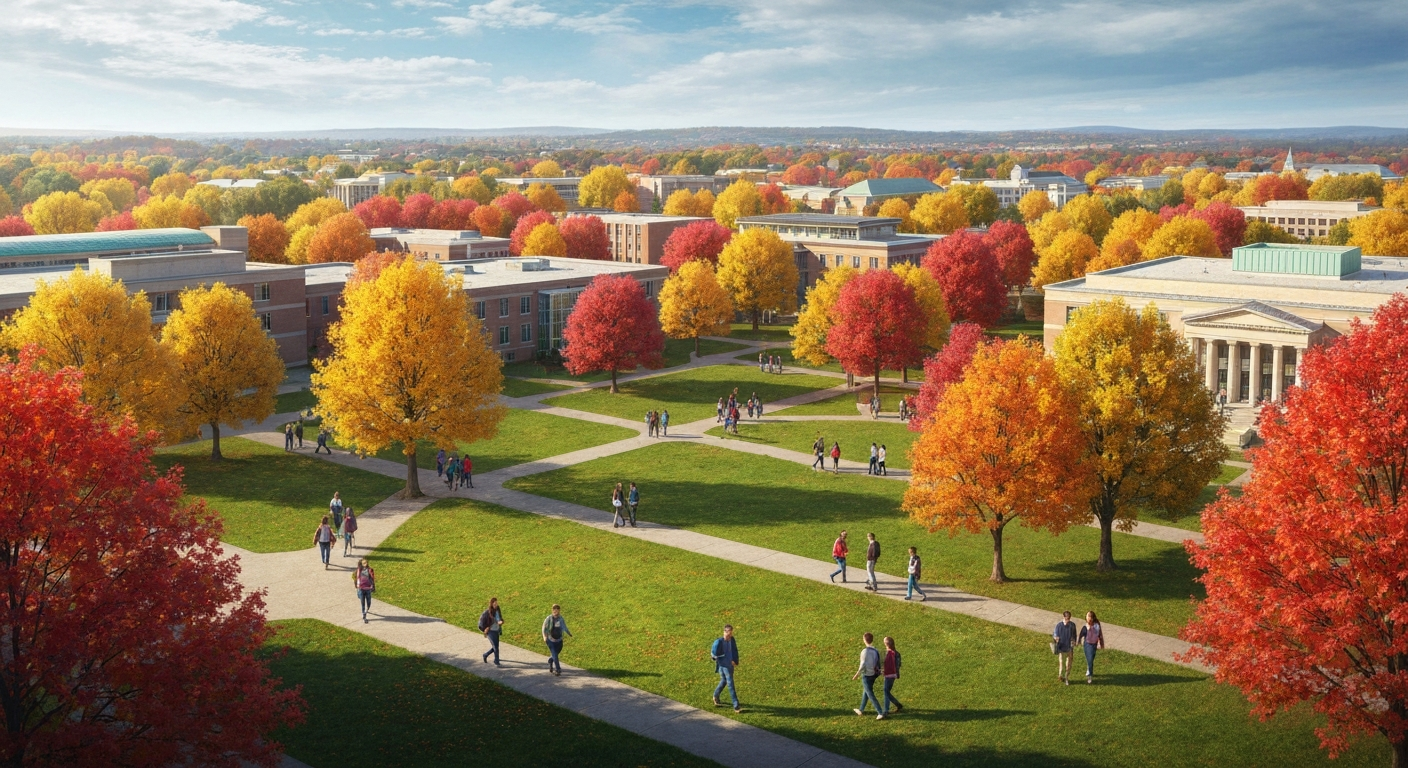
For many college students in Houston, Texas, the academic year is a whirlwind of lectures, late-night study sessions, and the social buzz of campus life. However, as the vibrant Texas summer fades and the days grow shorter, a significant number of students find themselves battling an unexpected and invisible weight. Often dismissed as "mid-semester burnout" or "final exam stress," these feelings may actually be rooted in a clinical condition known as Seasonal Affective Disorder (SAD).
In a city like Houston, where the winters are mild and the sun often shines, it can be confusing to experience a dip in mood during the cooler months. Yet, the biological shift in daylight is enough to trigger Seasonal Affective Disorder symptoms in college students, impacting their ability to focus, attend class, and enjoy their university experience.
At Riaz Counseling, we specialize in helping students navigate these seasonal shifts. We understand that your mental health is the foundation of your academic success. This guide will help you recognize the signs of SAD, understand why it happens even in the South, and provide practical steps to reclaim your energy and focus.Understanding Seasonal Affective Disorder (SAD) in College Students in Houston
You might think seasonal affective disorder only affects people in colder, northern climates. However, college students in places like Houston can also experience this mental health challenge. The unique pressures of college life combined with subtle seasonal shifts can create the perfect storm for SAD, even in Texas.
While adults experience SAD, college students face distinct challenges. The combination of academic stress, social adjustments, and often irregular schedules can intensify the symptoms. Let's explore what SAD is and why it's a concern for students everywhere.
Seasonal affective disorder is a specific type of depression that follows a seasonal pattern. Unlike the temporary sadness many people call the "winter blues," SAD involves more significant symptoms of depression that return and resolve at the same time each year. For most, this winter depression begins in the late fall and eases in the spring.
This condition is a subtype of major depressive disorder, meaning its symptoms can be serious. Common signs in college students include feeling sad most days, losing interest in activities you once enjoyed, feeling sluggish, and having trouble concentrating on your coursework.
It's important not to dismiss these feelings. If your mood and energy levels consistently drop during the colder months, you may be dealing with more than just a seasonal funk. Recognizing it as a legitimate mental health condition is the first step toward feeling better.
Even in the relatively mild Texas climate, the fundamental trigger for SAD remains: a reduction in daylight. As the fall and winter bring shorter days, your exposure to natural sunlight decreases. This shift is enough to trigger SAD symptoms in susceptible individuals, regardless of the temperature outside.
For college students, this can be especially challenging. Late-night study sessions and early-morning classes can mean you spend even less time outdoors during daylight hours. This lack of sunlight can disrupt your body's internal clock and mood-regulating chemicals, leading to significant mental health concerns.
The pressures of college life, from exams to social obligations, can make students more vulnerable than other adults. When these stressors are combined with the biological effects of limited sunlight, it creates a difficult environment for maintaining good mental health.
The specific cause of SAD is still unknown, but several biological factors are believed to play a role, even in a place like Houston. The reduced hours of sunlight during winter are the primary trigger, affecting your body's natural rhythms and chemistry. For college students juggling demanding schedules, these changes can be particularly disruptive.
These environmental shifts can lead to a biochemical imbalance in your brain. Key factors that contribute to the onset of SAD include:
These factors together can explain why you might feel down during the winter, even when the weather isn't freezing.
When the winter months arrive, it’s important for college students to be aware of the specific signs of SAD. These symptoms typically start in the late fall or early winter and can become more severe as the season progresses. They go beyond feeling a little down and can impact your daily life and academic work.
Recognizing these changes in your mood, body, and behavior is key to seeking help early. The symptoms of this form of depression can be broken down into emotional, physical, and behavioral shifts, each presenting unique challenges.
One of the most noticeable signs of SAD is a significant shift in your emotional state. You might experience persistent feelings of depression that last for days or weeks. This isn't just a bad mood; it's a heavy feeling that can be difficult to shake.
This emotional toll often leads to social withdrawal. You might lose interest in hanging out with friends, attending campus events, or participating in clubs you once enjoyed. These mood changes can make you feel isolated and disconnected from your college community.
Look out for these specific emotional SAD symptoms:
SAD doesn't just affect your mood; it can also have a profound impact on your body. One of the most common physical symptoms is a dramatic drop in energy levels. You may feel a persistent sense of fatigue that sleep doesn't seem to fix, making it hard to get to class or complete assignments.
These behavioral shifts can also manifest in your appetite and weight. Many people with winter-onset SAD experience cravings for carbohydrates, which can lead to overeating and weight gain. This is often accompanied by a general feeling of being sluggish and unmotivated.
Pay attention to these physical and behavioral signs:
Changes in your sleep patterns and eating habits are hallmark signs of SAD. The seasonal pattern of depression is often driven by hormonal shifts. The reduced sunlight can increase your body’s production of melatonin, the hormone that makes you sleepy, leading you to oversleep but still feel tired.
At the same time, lower serotonin levels can trigger intense carbohydrate cravings. You might find yourself reaching for sugary or starchy foods more often, which can contribute to weight gain and further impact your energy. These changes are directly linked to the body's response to shorter days.
Here’s a look at how sleep and eating habits can change with SAD:

It's easy for college students to mistake seasonal affective disorder for typical college stress or homesickness. Many symptoms, like fatigue and trouble concentrating, overlap. However, the key difference lies in the timing and consistency of the symptoms. SAD is a form of major depression with a distinct seasonal pattern.
While stress may spike during midterms and finals, SAD symptoms appear and disappear with the seasons. Understanding this distinction is vital for your mental health. The following sections will help you identify the specific patterns of SAD and tell it apart from other common college challenges.
The defining feature of SAD is its predictable seasonal pattern. If you notice your symptoms of winter depression starting in the late fall as the days get shorter and then disappearing in the spring, you may be experiencing SAD. This isn't a coincidence; it's a clinical characteristic of the disorder.
Think back over the past couple of years. Has your mood consistently dropped during the same months? Do you feel like a different person in the summer compared to the winter? Tracking these patterns can help you and a healthcare provider determine if your experience aligns with a diagnosis of SAD, which is a form of major depressive disorder.
Unlike stress that is tied to specific events like exams, SAD is tied to the calendar. The feelings of sadness, fatigue, and disinterest are a response to the changing season, not just your circumstances.
It is very common for college students to confuse SAD with the effects of academic pressure and stress. The demands of college life can cause many similar symptoms of depression, which makes it hard to distinguish the root cause of your feelings.
For example, both high stress and SAD can lead to difficulty concentrating, low motivation, and social withdrawal. You might assume your struggles are just due to a heavy course load or feeling overwhelmed by your responsibilities. These overlapping mental health concerns can delay you from seeking the right kind of help.
Consider these common overlapping signs:
If these symptoms worsen specifically during the winter, SAD could be the underlying issue.
You should suspect seasonal affective disorder if your "winter sadness" feels more intense than just a bad mood and follows a predictable timeline. For most college students, SAD symptoms begin to appear in the late fall or early winter and continue through the coldest, darkest months.
Pay attention if your SAD symptoms go beyond emotional struggles. If you're also experiencing significant physical changes, such as oversleeping, craving carbs, and gaining weight, it's a strong indicator that something more than stress is at play. These physical signs are classic markers of SAD.
Ultimately, the biggest clue is the pattern. If you feel down for days at a time, lose motivation for activities you normally enjoy, and this happens every year as winter approaches, it's time to consider SAD as a possibility and talk to a healthcare provider about your mental health.
The good news is that you don't have to "tough out" SAD on your own. There are effective strategies and mental health resources available to help you manage your symptoms during the winter months. Many colleges offer mental health services specifically for students, from counseling services to wellness programs.
Effective treatments like light therapy and cognitive-behavioral therapy can make a huge difference. By taking proactive steps and using the support available, you can minimize SAD's impact on your academic performance and overall well-being.
Your college campus is often your first and best resource for getting help. Most universities have a counseling center that provides confidential support for students struggling with mental health issues, including SAD. These services are typically free or low-cost for enrolled students.
Therapists at the campus counseling center can help you with cognitive-behavioral therapy (CBT), which focuses on replacing negative thoughts with positive ones. Some wellness centers may also offer treatments like light therapy, where you sit in front of a special light box to mimic natural sunlight. Others might have wellness tools like massage chairs to help reduce stress.
Here are some resources to look for on campus:
SAD can significantly impact your academic success by making it difficult to concentrate, stay motivated, and keep up with your coursework. However, you can take practical steps to support your wellbeing and stay on track. One of the most effective quick tips is to maximize your exposure to natural sunlight.
Try to spend some time outdoors every day, especially in the morning. Even on cloudy days, being outside can help regulate your internal clock. Establishing a regular sleep schedule, even on weekends, can also stabilize your mood and energy levels. These small routines can make a big difference.
To manage symptoms and succeed academically, consider these tips:
In conclusion, recognizing the symptoms of Seasonal Affective Disorder (SAD) is crucial for college students, especially in a vibrant yet often cloudy place like Houston. By understanding how SAD manifests and differentiating it from typical college stress, students can take proactive steps towards their mental wellbeing. Utilizing campus resources and implementing self-care strategies can make a significant difference in managing this condition. Remember, you are not alone in this journey; there are support systems available to help you thrive throughout the academic year. If you're ready to take charge of your mental health, consider reaching out for a free consultation to explore personalized strategies that can help you navigate the challenges of SAD and foster a healthier, more fulfilling college experience.
Symptoms of Seasonal Affective Disorder (SAD) in college students often include persistent sadness, fatigue, difficulty concentrating, changes in appetite or sleep patterns, and a loss of interest in activities. Recognizing these signs early can help students seek support and implement coping strategies to manage their mental health effectively.
According to the DSM-5, Seasonal Affective Disorder is diagnosed as a "Seasonal Pattern" specifier for Major Depressive Disorder. To be diagnosed, a student must demonstrate:
At Riaz Counseling, we conduct a thorough clinical interview to determine if your academic struggles are tied to this biological seasonal pattern.
While finals week stress is acute and usually ends once exams are over, SAD symptoms are chronic throughout the low-light months. Riaz Counseling looks for "atypical" depressive symptoms that are hallmarks of SAD but not usually present in general stress, such as hypersomnia (oversleeping) and hyperphagia (increased appetite/carbohydrate cravings). If your mood drops in October—long before finals begin—it is a strong indicator of a seasonal pattern.
Yes. Moving to a new latitude or even just changing your daily routine (spending more time in windowless library stacks or labs) can trigger a first-time episode of SAD. At Riaz Counseling, we review your history and current environmental factors to see how your move to Houston, Texas, might have impacted your circadian rhythm.
In non-seasonal depression, people often struggle with insomnia (difficulty sleeping). In winter-pattern SAD, the opposite is usually true. Students with SAD often sleep $9$ to $12$ hours a day but still wake up feeling exhausted. If you are consistently missing your morning classes because you physically cannot wake up, the team at Riaz Counseling will evaluate this as a major diagnostic red flag for SAD.
While we are a counseling center and not a medical lab, we frequently discuss the biological components of SAD. A lack of sunlight in the winter leads to lower Vitamin D synthesis, which is linked to serotonin drops. We often suggest that our Houston clients visit their campus health center for a blood test to see if a Vitamin D deficiency is compounding their depressive symptoms.
If you feel that you or someone you know, may benefit from therapy, please reach out to our office for a FREE 15 minute consultation: LINK
Stay informed about the latest research in psychology.
.png)
Navigating dual-parent family challenges with practical strategies for balance, communication, and well-being.
.png)
Benefits of dual-parent households in Houston for child development, stability, and well-being
.png)
Heal after a breakup in Houston with self-care strategies, local experiences, and professional counseling support.

Interested in a job with Riaz Counseling? Looking for Supervision for your license? Let’s Connect! We look forward to speaking with you to see if we would be a great fit for each other.
